Left Atrial Appendage Occlusion LAAO

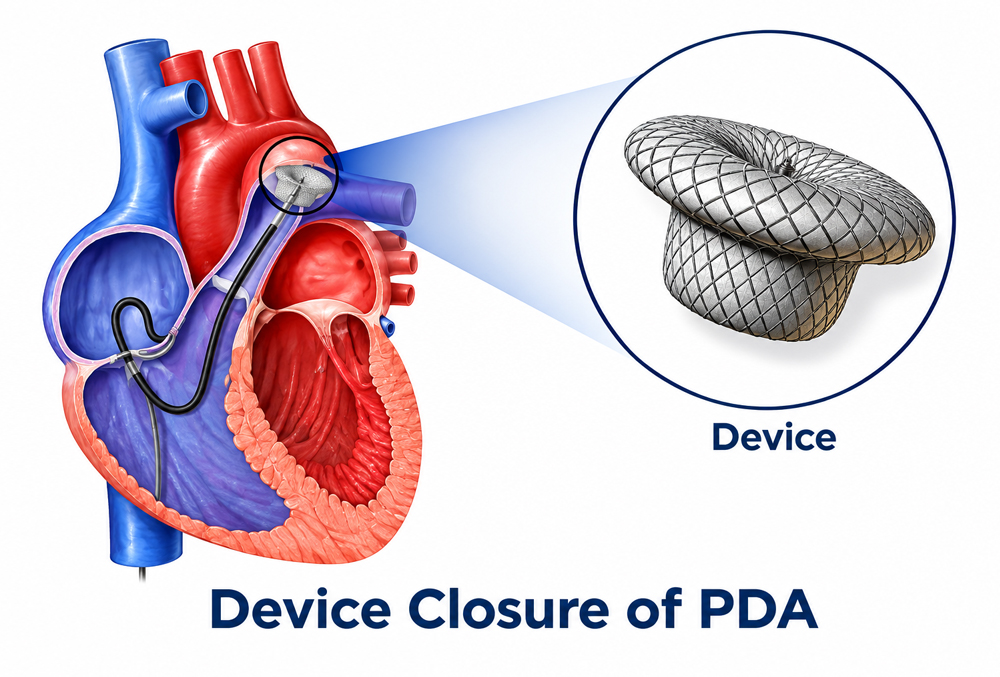
Device Closure

Device Closure is a minimally invasive, catheter-based procedure designed to reduce the risk of stroke in selected patients with atrial fibrillation (AF). In many patients with AF, blood clots can form in a small pouch of the heart called the left atrial appendage.

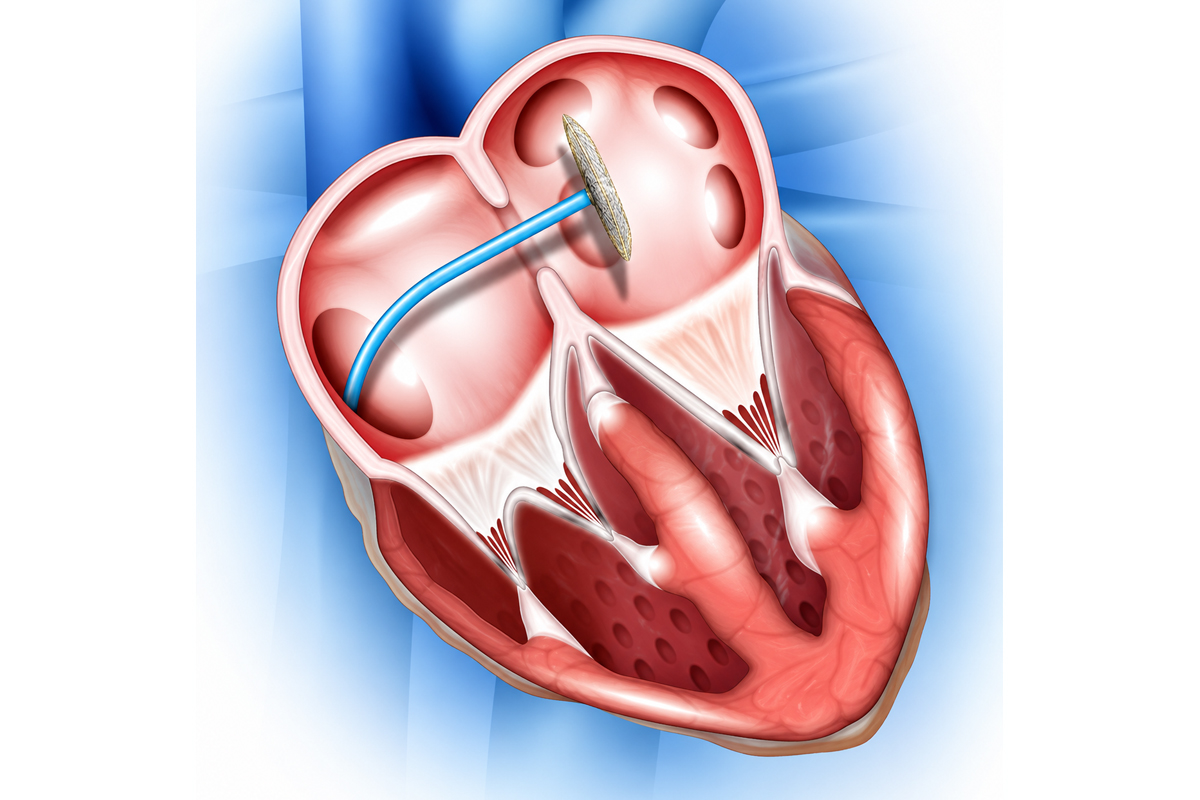
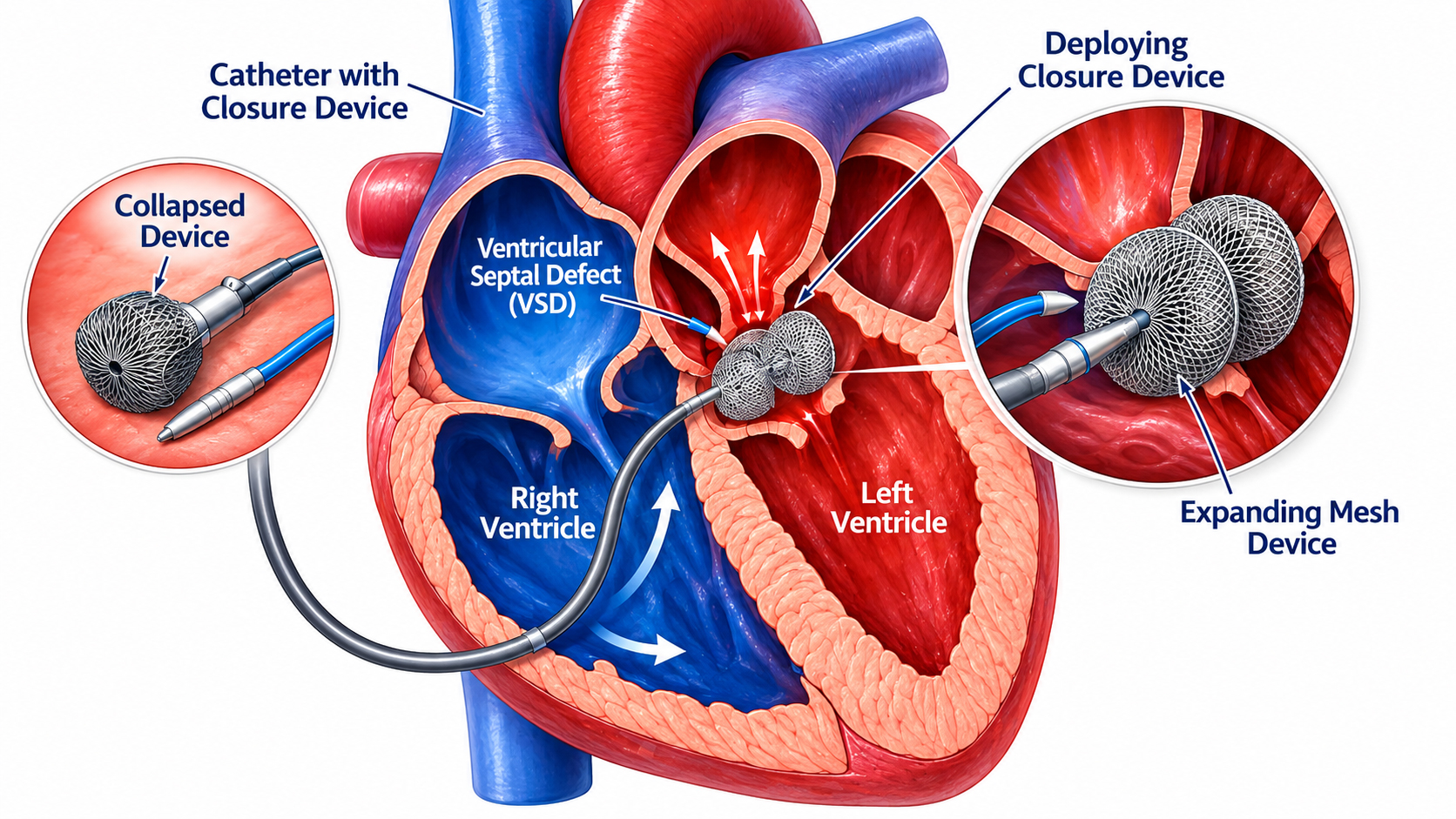
During LAAO, a specially designed closure device is delivered through a thin catheter and placed inside the left atrial appendage. The device helps seal this area and reduce the chance of blood clots escaping into the bloodstream.

LAAO may be considered for selected patients with non-valvular atrial fibrillation who are at increased risk of stroke and who have difficulty taking long-term blood-thinning medicines or have a suitable reason to consider an alternative.

Before the procedure, a detailed evaluation is performed, including assessment of stroke risk, bleeding risk, heart rhythm, medical history, and left atrial appendage anatomy. Advanced cardiac imaging helps the heart team decide whether LAAO is appropriate and plan the procedure safely.
Who It’s For?

Who May Need Left Atrial Appendage Occlusion?

LAAO may be considered for selected patients with non-valvular atrial fibrillation and increased risk of stroke after a detailed specialist evaluation.

It may be considered for patients who:

  • Have non-valvular atrial fibrillation and an increased risk of stroke.
  • Have difficulty taking long-term oral anticoagulant medicines.
  • Have experienced significant bleeding or have a high risk of bleeding while taking blood thinners.
  • Have a medical condition that makes long-term anticoagulation challenging.
  • Need an alternative stroke-prevention strategy based on their individual clinical situation.
  • Have left atrial appendage anatomy suitable for closure with an occlusion device.
Suitability is determined individually after specialist assessment, cardiac imaging, and heart-team evaluation.
Left Atrial Appendage Occlusion Procedure
Benefits

Benefits of Device Closure

For appropriately selected patients, LAAO can provide an important option for reducing stroke risk when long-term blood-thinning treatment may not be suitable.

Minimally Invasive Approach

Minimally Invasive Approach

LAAO is performed using a thin catheter, usually through a blood vessel in the groin, without conventional open-heart surgery.

Stroke Risk Reduction

Helps Reduce Stroke Risk

By sealing the left atrial appendage, LAAO helps reduce the risk of blood clots from this area travelling to the brain.

Alternative to Long Term Blood Thinners

Alternative to Long-Term Blood Thinners

LAAO may provide an alternative stroke prevention strategy for selected patients who are not suitable for long-term anticoagulation.

Reduced Bleeding Concern

May Reduce Long-Term Bleeding Concerns

For selected patients who have a high risk of bleeding with long-term anticoagulation, LAAO may offer another approach to stroke prevention.

Suitable for Selected Patients

Option for Selected High-Risk Patients

LAAO can be considered for patients with significant stroke risk when long-term anticoagulant treatment may be difficult or unsuitable.

Personalised Treatment Planning

Individualised Treatment Planning

Treatment planning is tailored to your stroke risk, bleeding risk, medical history, heart anatomy, and overall health.

Outcomes of Procedure Delay

Risks of Delaying Stroke Prevention Evaluation

  • Continued risk of blood clot formation in the left atrial appendage.
  • Increased risk of stroke or other clot-related complications in patients with untreated high stroke risk.
  • Ongoing difficulty with long-term anticoagulant treatment for patients who cannot tolerate blood thinners.
  • Risk of recurrent or significant bleeding in patients who continue anticoagulation despite a high bleeding risk.
  • Delayed assessment may postpone an appropriate stroke-prevention strategy.
  • Ongoing uncertainty about the safest long-term treatment approach.
  • Atrial fibrillation-related complications may continue if the condition is not appropriately managed.
Atrial Fibrillation and Stroke Risk
Procedure Timeline

Your LAAO Journey: From Evaluation to Recovery

A simple step-by-step overview of evaluation, treatment, recovery, and follow-up.

Step 1

Specialist Consultation

Your atrial fibrillation history, stroke risk, bleeding risk, medications, previous reports, and overall health are carefully reviewed.

Step 2

Detailed Cardiac Assessment

Echocardiography and other cardiac imaging are used to assess the heart and left atrial appendage and determine whether the anatomy is suitable for closure.

Step 3

Heart-Team Treatment Planning

Your stroke and bleeding risks, medical history, imaging findings, and treatment options are reviewed to determine whether LAAO is appropriate for you.

Step 4

LAAO Procedure

A thin catheter is guided through a blood vessel to the heart. The specially designed occlusion device is carefully positioned inside the left atrial appendage to seal it.

Step 5

Recovery & Observation

Heart rhythm, access site, blood pressure, symptoms, and overall recovery are monitored after the procedure. Your medicines are also reviewed before discharge.

Step 6

Follow-Up & Long-Term Care

Follow-up visits and imaging help confirm device position, assess the closure, review medicines, and monitor your overall heart health.

What Sets Us Apart

Why Choose Our LAAO & Structural Heart Care?

Specialist-led evaluation, advanced cardiac imaging, careful treatment planning, and structured follow-up for patients considering left atrial appendage occlusion.

01

Specialised LAAO Expertise

Specialist evaluation for selected patients with atrial fibrillation who may benefit from left atrial appendage closure.

02

Advanced Cardiac Imaging

Detailed imaging helps assess the left atrial appendage anatomy and supports safe and accurate procedure planning.

03

Stroke & Bleeding Risk Assessment

Individual assessment of stroke risk, bleeding risk, medications, and overall health helps guide the right treatment decision.

04

Structural Heart Expertise

Expertise in catheter-based structural heart procedures and minimally invasive treatment approaches.

05

Personalised Treatment Planning

Treatment decisions are based on your heart rhythm, stroke risk, bleeding risk, imaging findings, medical history, and individual needs.

06

Multidisciplinary Heart-Team Care

Complex cases can be reviewed through a coordinated approach involving cardiologists, imaging specialists, and other relevant cardiac specialists.

What Our Patients Say

The staff behaviour is very good and the doctor’s treatment is excellent.

Ansh Kapuriya

Happy Patient

Very satisfied with the consultation. Minimal wait time, clear communication, and effective treatment.

Chandni Vegad

Happy Patient

Very smooth experience from consultation to follow-up. Clear communication and effective treatment.

Prateeksha Kini

Happy Patient

Great experience overall. Accurate diagnosis and very reassuring attitude.

Raj Thakkar

Happy Patient

Good doctor. Very understanding. Highly recommended.

Maanini Thakker

Happy Patient

Frequently Asked Questions

Device Closure is a minimally invasive procedure used in selected patients with non-valvular atrial fibrillation to reduce the risk of stroke. A small closure device is placed inside the left atrial appendage to help prevent blood clots from leaving this area.

LAAO is performed to reduce the risk of stroke in selected patients with atrial fibrillation. It may be considered when long-term blood-thinning medicines are unsuitable, difficult to tolerate, or associated with significant bleeding risk.

LAAO may be considered for selected patients with non-valvular atrial fibrillation who have an increased risk of stroke and a suitable reason to avoid or reduce dependence on long-term anticoagulant treatment. Final suitability depends on individual assessment.

No. LAAO is a catheter-based procedure. A thin catheter is usually introduced through a blood vessel in the groin and guided to the heart, avoiding conventional open-heart surgery.

A thin catheter is guided through a blood vessel to the heart. Using advanced imaging, the specialist places a specially designed occlusion device inside the left atrial appendage. The device expands and seals the opening to help prevent blood clots from escaping.

The procedure time can vary depending on your heart anatomy, medical condition, device type, and procedural complexity. Your specialist can provide more specific information after your evaluation.

Evaluation may include an ECG, echocardiography, transoesophageal echocardiography, blood tests, and other cardiac imaging or investigations. These tests help assess the heart, left atrial appendage, stroke risk, and suitability for the procedure.

Hospital stay varies from patient to patient depending on the procedure and recovery. Patients with an uncomplicated recovery may be discharged after an appropriate period of observation.

Recovery is different for every patient. Many patients can begin light activities soon after the procedure, with activity gradually increased according to their doctor's advice.

Medicines are usually prescribed for a period after LAAO while the device heals into place. The exact medicines and duration depend on your individual condition and your doctor's advice. Never stop prescribed medication without medical guidance.

Yes. Follow-up is important to check device position, confirm effective closure, review medications, and monitor your heart rhythm and overall recovery. Follow-up imaging may also be recommended.

Left Atrial Appendage Occlusion Consultation

Have Atrial Fibrillation & Stroke Risk?

If you have been diagnosed with atrial fibrillation, have an increased risk of stroke, or have difficulty taking long-term blood-thinning medicines, a specialist evaluation can help determine whether Device Closure may be suitable for you.