Ruptured Sinus of Valsalva (RSOV) Device Closure

Ruptured Sinus of Valsalva (RSOV) Device Closure

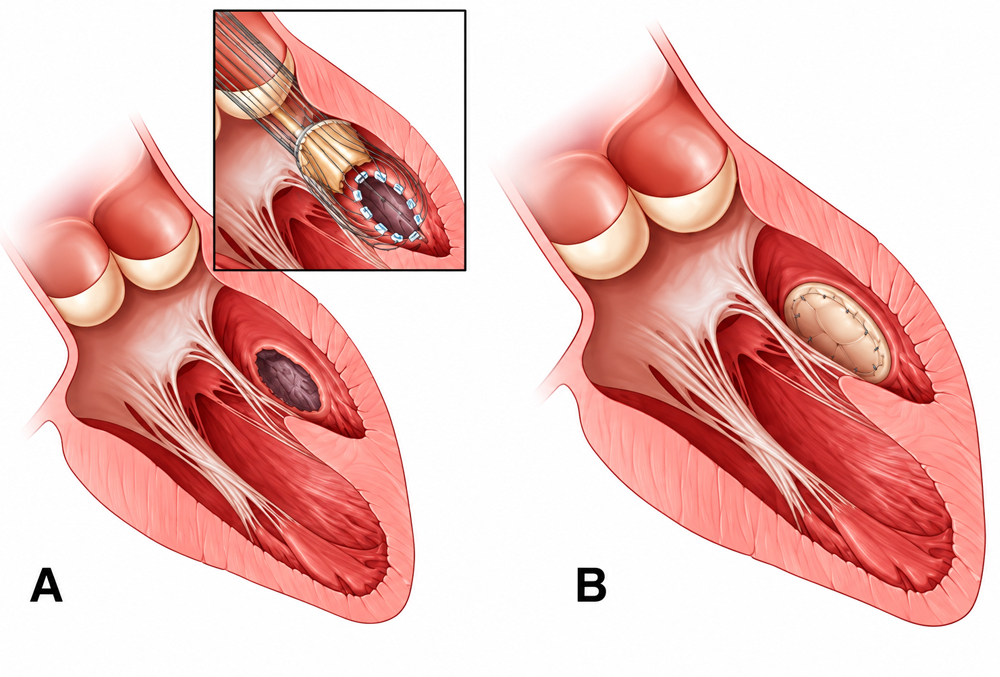
RSOV Device Closure is a minimally invasive, catheter-based treatment used in selected patients with a ruptured sinus of Valsalva. A specialised closure device is placed across the abnormal opening to help seal the rupture and reduce abnormal blood flow between the heart chambers or great vessels.

The procedure is planned after a detailed heart evaluation and advanced cardiac imaging. These tests help the heart team understand the size and location of the rupture, its effect on heart function, and whether device closure is suitable.

RSOV Device Closure may be considered for selected patients with a suitable rupture, particularly when the defect can be safely reached and closed using a catheter-based approach.

Before treatment, your cardiologist may recommend echocardiography, CT or other cardiac imaging, along with a review of symptoms, heart function, pulmonary pressures, and the anatomy of the rupture. This helps determine the safest and most appropriate treatment plan.
Who It’s For?

Who May Need RSOV Device Closure?

RSOV Device Closure may be considered for selected patients with a ruptured sinus of Valsalva and a suitable anatomy after detailed specialist and imaging assessment.

It may be considered for patients who:

  • Have a confirmed ruptured sinus of Valsalva with a suitable opening for device closure.
  • Have symptoms such as breathlessness, fatigue, palpitations, swelling, or reduced exercise tolerance related to the rupture.
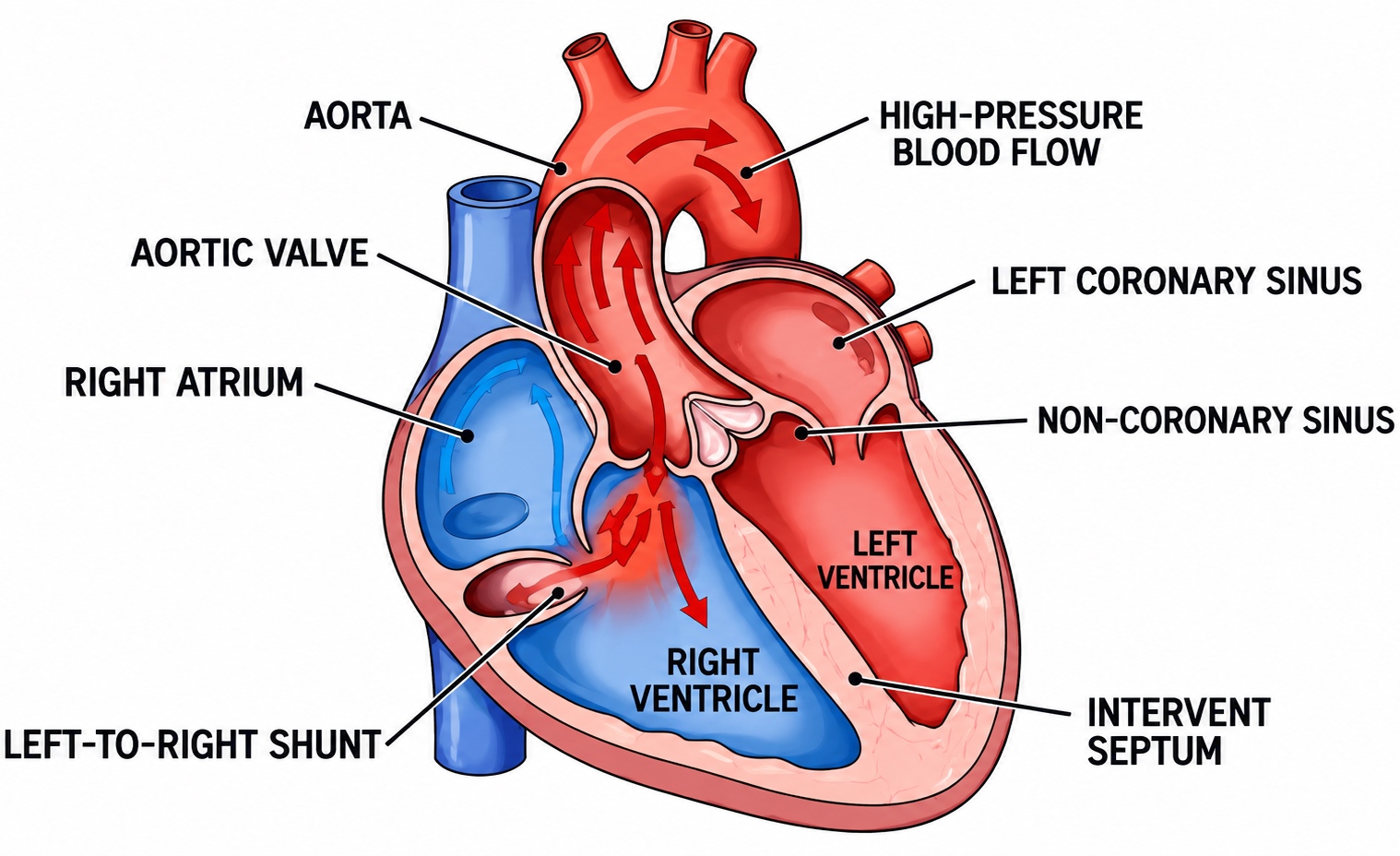
  • Have significant abnormal blood flow or a left-to-right shunt affecting the heart.
  • Have evidence of heart chamber enlargement or increased pressure caused by the rupture.
  • May benefit from a catheter-based alternative to open-heart surgical repair, when appropriate.
  • Have anatomy that can be safely accessed and closed with a suitable occlusion device.
Suitability is determined individually after specialist assessment, detailed cardiac imaging, and heart-team evaluation.
RSOV Device Closure Procedure
Benefits

Benefits of RSOV Device Closure

For appropriately selected patients, RSOV Device Closure can help seal the abnormal opening, reduce unwanted blood flow, and support better heart function without conventional open-heart surgery in suitable cases.

Minimally Invasive Approach

Minimally Invasive Approach

RSOV Device Closure is performed through a catheter, usually through a blood vessel, avoiding a large chest incision in suitable patients.

Seals the Abnormal Opening

Seals the Abnormal Opening

A specialised occlusion device is positioned across the rupture to help close the abnormal communication.

Reduces Abnormal Blood Flow

Reduces Abnormal Blood Flow

Closing the rupture can reduce the unwanted flow of blood between the heart chambers or great vessels.

Supports Heart Function

Supports Heart Function

By reducing the abnormal shunt, treatment may help reduce volume or pressure overload on the heart in selected patients.

Potentially Faster Recovery

Potentially Faster Recovery

A catheter-based approach may allow a shorter recovery compared with conventional surgical repair when appropriate.

Individualised Treatment Option

Individualised Treatment Option

Device closure is considered only after careful assessment of the rupture, surrounding structures, and overall heart health.

Outcomes of Procedure Delay

Risks of Delaying RSOV Treatment Evaluation

  • Continued abnormal blood flow through the ruptured sinus of Valsalva.
  • Progressive enlargement of affected heart chambers due to ongoing abnormal blood flow.
  • Increasing strain on the heart and possible worsening of heart function over time.
  • Worsening breathlessness, fatigue, palpitations, or reduced exercise tolerance in symptomatic patients.
  • Risk of increasing pressure in the heart or lungs depending on the size and location of the rupture.
  • Greater risk of complications such as heart failure, rhythm disturbances, or other structural heart problems.
  • Delayed assessment may postpone an appropriate closure or surgical treatment when it is needed.
Ruptured Sinus of Valsalva and Heart Function
Procedure Timeline

Your RSOV Device Closure Journey: From Evaluation to Recovery

A simple step-by-step overview of evaluation, device closure, recovery, and follow-up.

Step 1

Specialist Consultation

Your symptoms, medical history, previous reports, heart function, and suspected or confirmed RSOV are carefully reviewed.

Step 2

Detailed Cardiac Assessment

Echocardiography and other cardiac imaging are used to identify the rupture, measure its size, and assess its effect on the heart.

Step 3

Heart-Team Treatment Planning

Your anatomy, symptoms, heart function, and treatment options are reviewed to decide whether device closure is suitable.

Step 4

RSOV Device Closure Procedure

A thin catheter is guided to the heart and a specialised closure device is carefully positioned across the ruptured sinus of Valsalva to seal the abnormal opening.

Step 5

Recovery & Observation

Your heart rhythm, blood pressure, access site, symptoms, and overall recovery are monitored after the procedure.

Step 6

Follow-Up & Long-Term Care

Follow-up visits and imaging help confirm device position, assess closure, and monitor heart function and overall recovery.

What Sets Us Apart

Why Choose Our RSOV & Structural Heart Care?

Specialist-led evaluation, advanced cardiac imaging, careful treatment planning, and structured follow-up for patients considering RSOV Device Closure.

01

Specialised RSOV Expertise

Specialist evaluation for patients with ruptured sinus of Valsalva who may benefit from catheter-based device closure.

02

Advanced Cardiac Imaging

Detailed echocardiography and other imaging help define the rupture and its relationship with nearby heart structures.

03

Precise Anatomical Assessment

The size, location, shape of the defect, surrounding structures, and blood flow are carefully assessed before treatment.

04

Structural Heart Expertise

Experience with catheter-based structural heart procedures supports careful planning of minimally invasive treatment.

05

Personalised Treatment Planning

Treatment decisions are based on your symptoms, anatomy, heart function, imaging findings, and overall health.

06

Multidisciplinary Heart-Team Care

Complex cases can be reviewed through a coordinated approach involving interventional cardiologists, imaging specialists, cardiac surgeons, and other relevant specialists.

What Our Patients Say

The staff behaviour is very good and the doctor’s treatment is excellent.

Ansh Kapuriya

Happy Patient

Very satisfied with the consultation. Minimal wait time, clear communication, and effective treatment.

Chandni Vegad

Happy Patient

Very smooth experience from consultation to follow-up. Clear communication and effective treatment.

Prateeksha Kini

Happy Patient

Great experience overall. Accurate diagnosis and very reassuring attitude.

Raj Thakkar

Happy Patient

Good doctor. Very understanding. Highly recommended.

Maanini Thakker

Happy Patient

Frequently Asked Questions

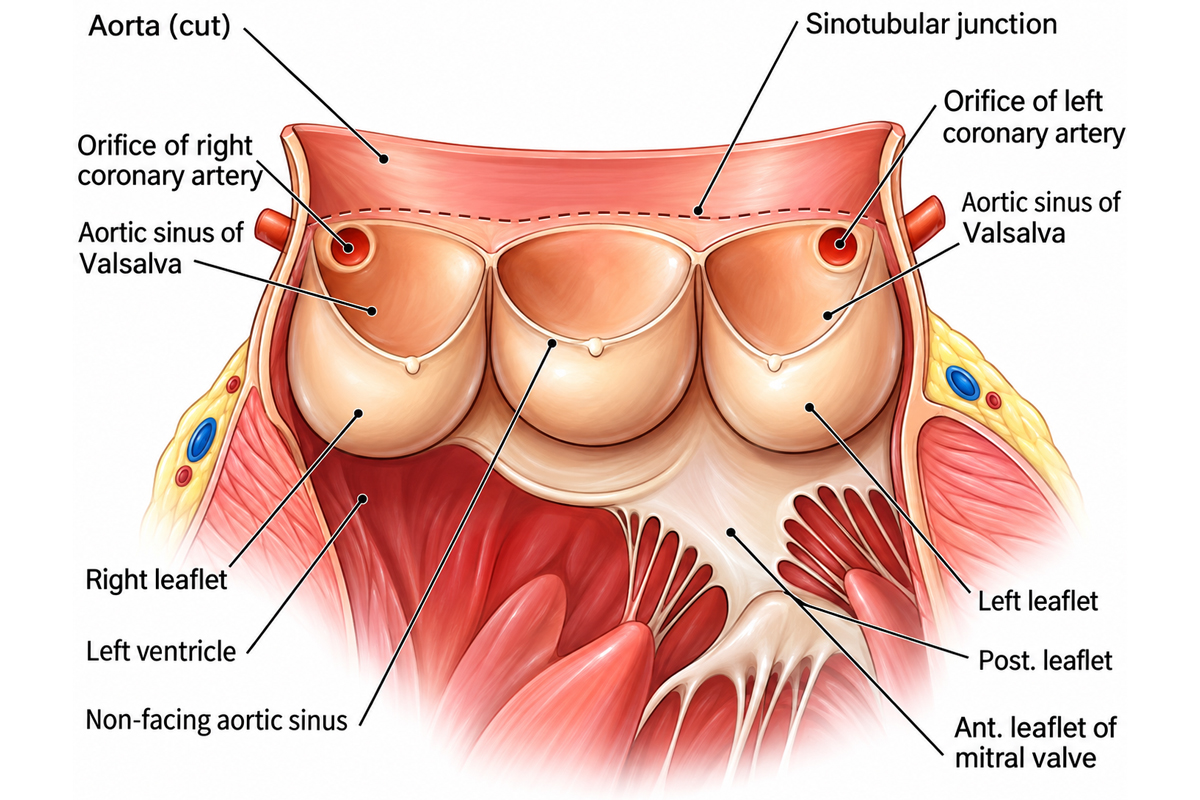
A ruptured sinus of Valsalva is an abnormal opening caused by a tear or rupture in the wall of a sinus of Valsalva, which can create an abnormal connection and unwanted blood flow between heart structures or nearby great vessels.

Device closure is performed in selected patients to seal the abnormal opening, reduce unwanted blood flow, and help prevent progressive strain on the heart and related complications.

Patients with a suitable RSOV anatomy may be considered for device closure after detailed clinical assessment and cardiac imaging. Suitability depends on the size and location of the rupture, surrounding structures, symptoms, and overall heart health.

No. In suitable patients, device closure is a catheter-based procedure performed through a blood vessel, avoiding conventional open-heart surgery. Some RSOV cases may still require surgical repair depending on their anatomy or associated heart problems.

A thin catheter is guided through a blood vessel to the heart. Using detailed imaging, the specialist positions a specially designed occlusion device across the rupture. Once correctly positioned, the device helps seal the abnormal opening.

The procedure time can vary depending on the size and location of the rupture, your heart anatomy, device type, and procedural complexity. Your specialist can provide more specific information after your evaluation.

Evaluation may include ECG, echocardiography, transoesophageal echocardiography, cardiac CT or other imaging, blood tests, and additional investigations when required. These tests help assess the rupture, heart function, and suitability for device closure.

Hospital stay varies from patient to patient depending on the procedure and recovery. Patients with an uncomplicated recovery may be discharged after an appropriate period of observation and medical review.

Recovery is different for every patient. Light activities may be resumed gradually after medical advice, while the timing of returning to work, exercise, and other activities depends on your recovery and the doctor's recommendations.

Your cardiologist may prescribe medicines for a period after the procedure based on your individual condition and the healing process. Take all prescribed medicines as directed and do not stop them without medical advice.

Yes. Follow-up is important to check device position, confirm effective closure, monitor heart function and rhythm, and assess your recovery. Follow-up imaging may also be recommended.

RSOV Device Closure Consultation

Have You Been Diagnosed With RSOV?

If you have been diagnosed with a ruptured sinus of Valsalva, have symptoms, or have been advised to consider closure, a specialist evaluation can help determine whether RSOV Device Closure may be suitable for you.