Expertise in Advanced Heart Valve & Structural Heart Interventions
From TAVI and MitraClip to complex structural heart procedures, receive personalised evaluation and treatment planning based on your individual condition and clinical needs.

From TAVI and MitraClip to complex structural heart procedures, receive personalised evaluation and treatment planning based on your individual condition and clinical needs.
For patients with severe heart valve disease who may benefit from a less invasive alternative to traditional open-heart valve surgery.
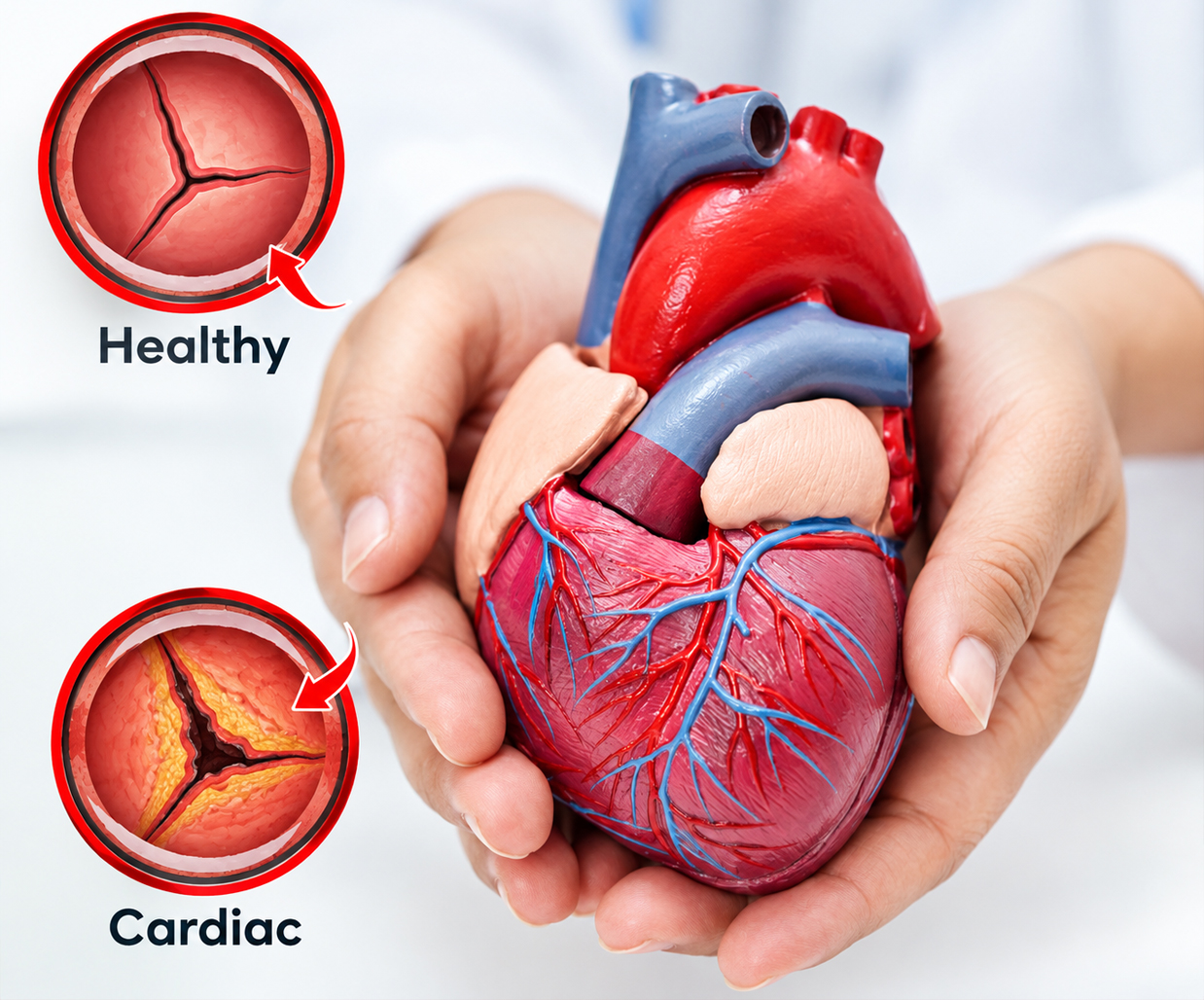
Severe valve disease can gradually worsen, sometimes without obvious symptoms. Early evaluation and timely treatment can help identify the most appropriate treatment option and avoid delays in care.

The valve is treated through a catheter-based approach, avoiding the need for traditional chest opening in suitable patients.

May be considered when conventional open-heart surgery carries increased risk due to age or other medical conditions.
The procedure focuses on treating the affected heart valve without the need for extensive cardiac surgery.
In many minimally invasive procedures, cardiopulmonary bypass is not required.
Heart valve and structural heart conditions require individual assessment. The appropriate treatment depends on the valve involved, disease severity, anatomy, heart function, and overall health.
For: Severe aortic stenosis and selected aortic valve conditions.
A catheter-based procedure to replace the narrowed aortic valve without conventional open-heart surgery.
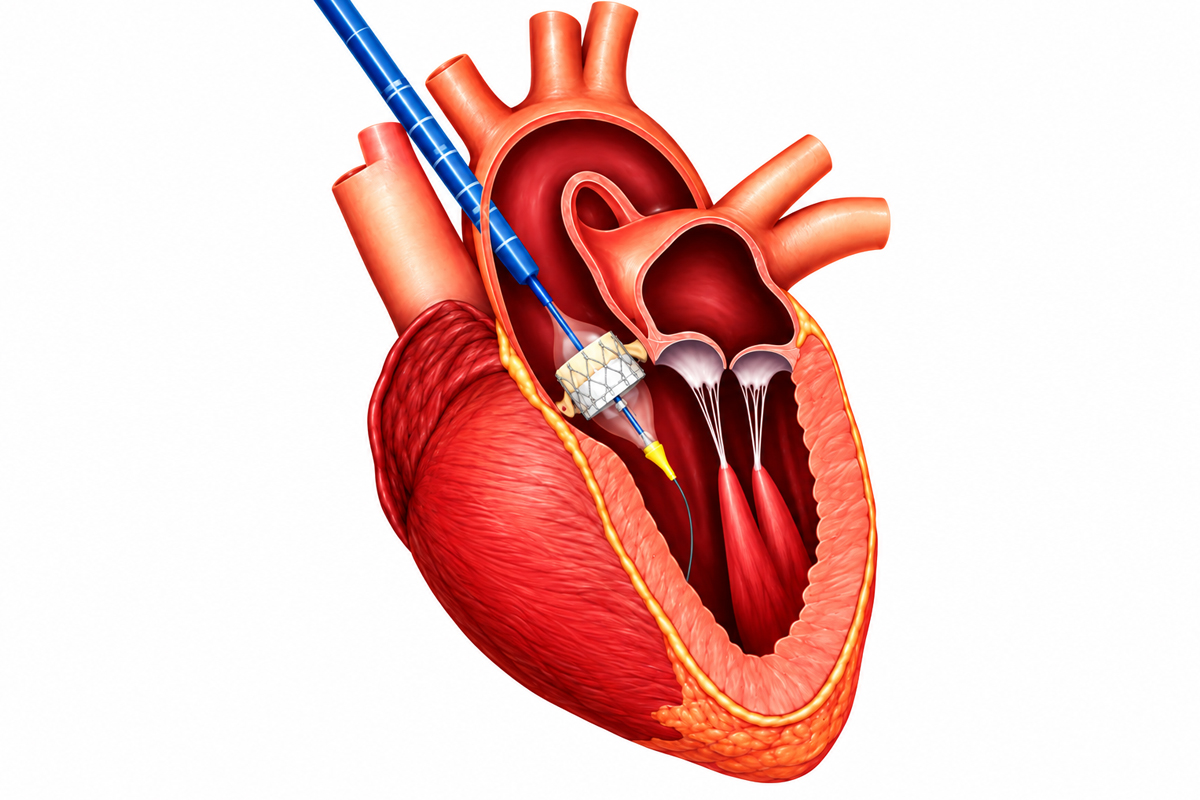
For: Selected patients with mitral regurgitation.
A minimally invasive procedure that reduces mitral valve leakage by bringing the valve leaflets together.
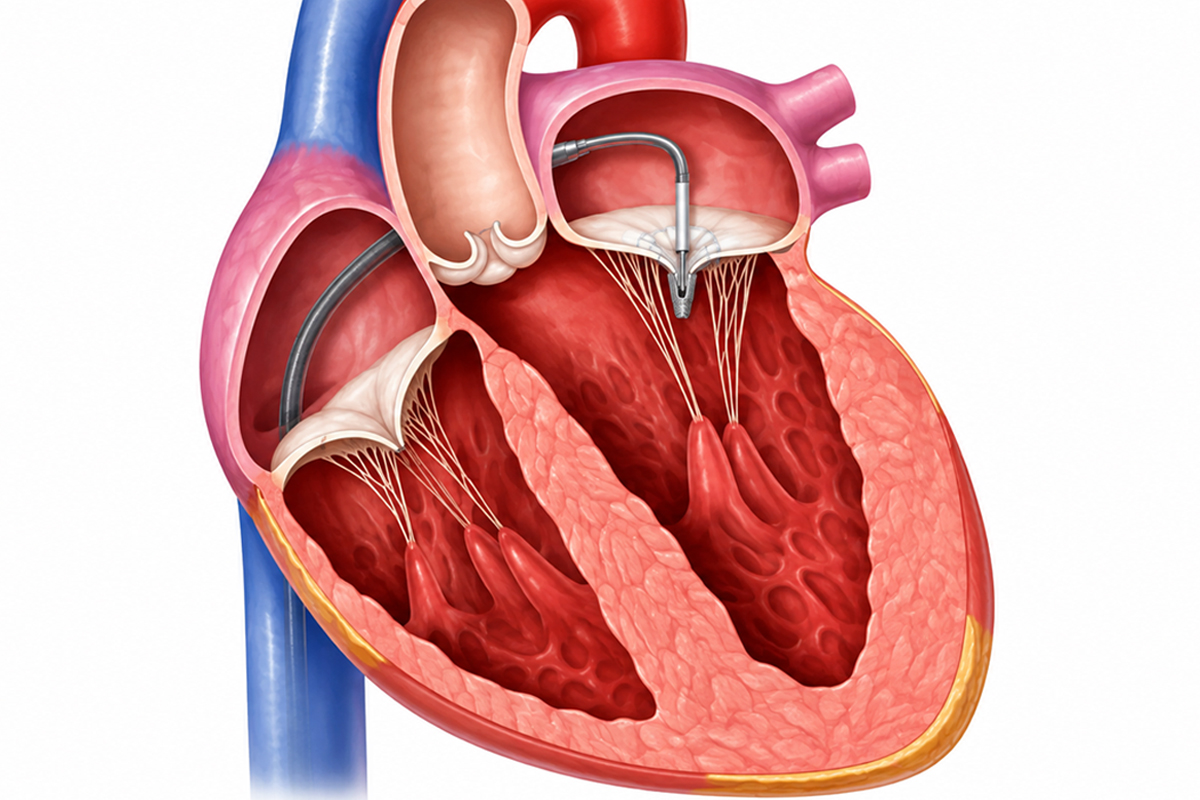
For: Selected complex mitral valve conditions.
A catheter-based approach to replace the diseased mitral valve when conventional surgery may not be suitable.
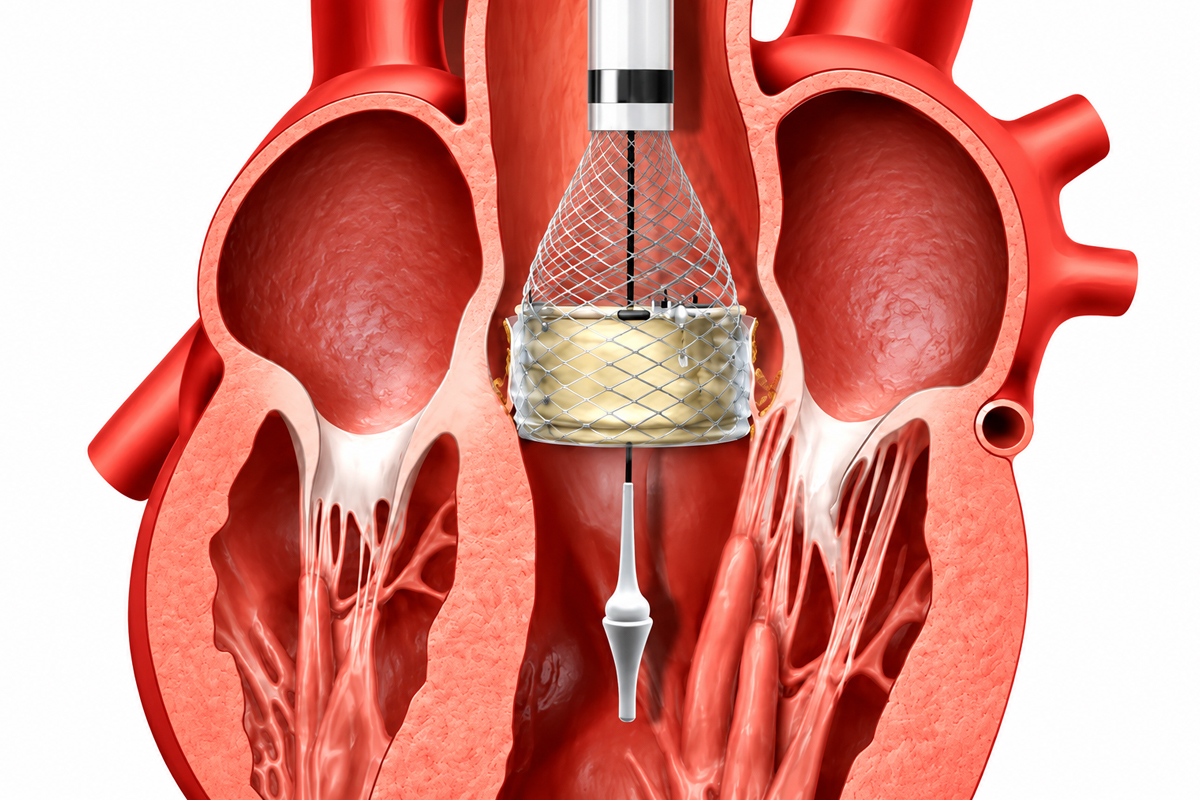
For: Selected patients with atrial fibrillation and increased stroke risk.
A catheter-based procedure that closes the left atrial appendage to reduce the risk of blood clot formation.
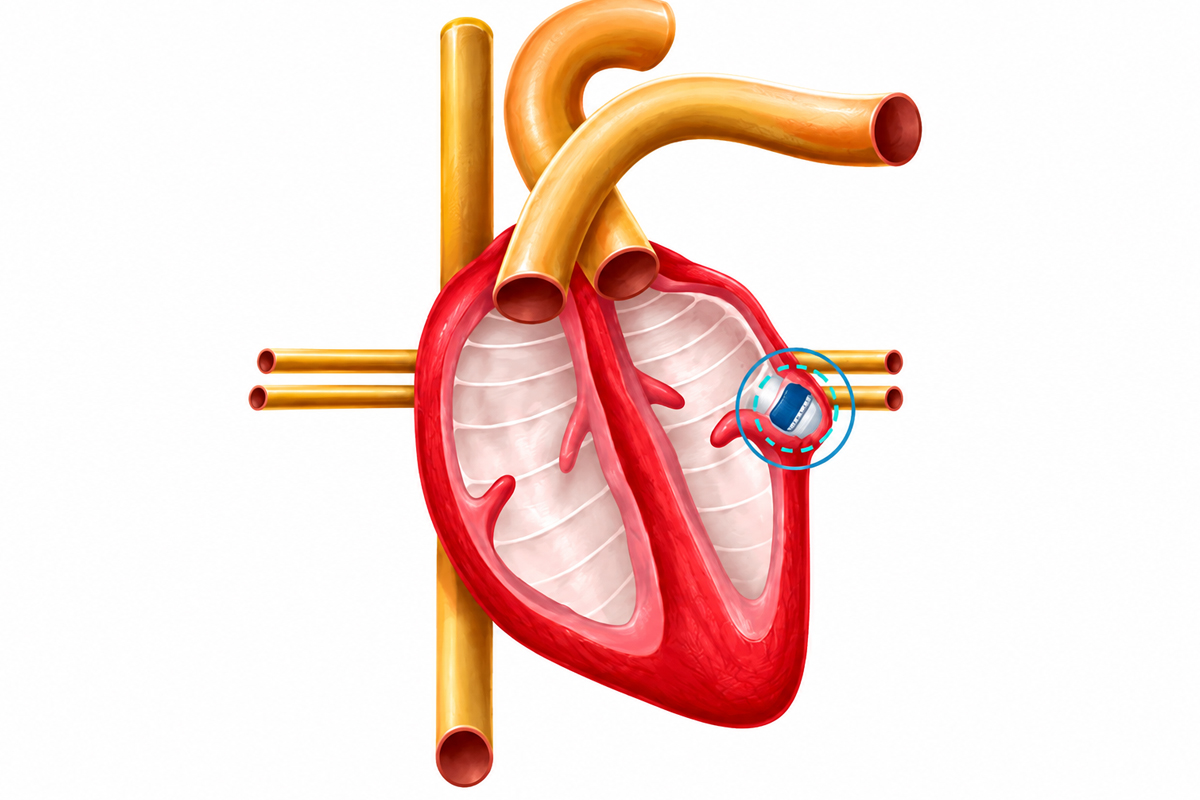
For: Selected structural heart defects such as ASD, PFO, VSD, and PDA.
A catheter-based technique used to close specific abnormal openings within the heart.
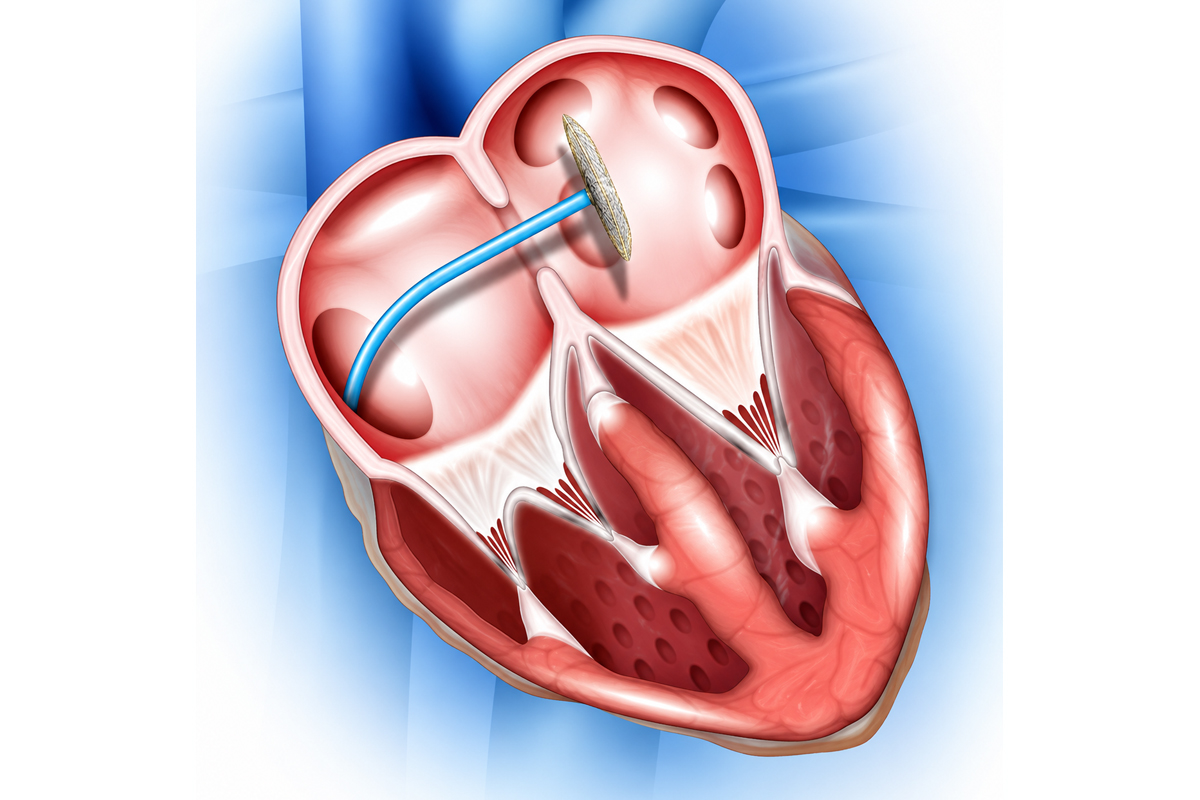
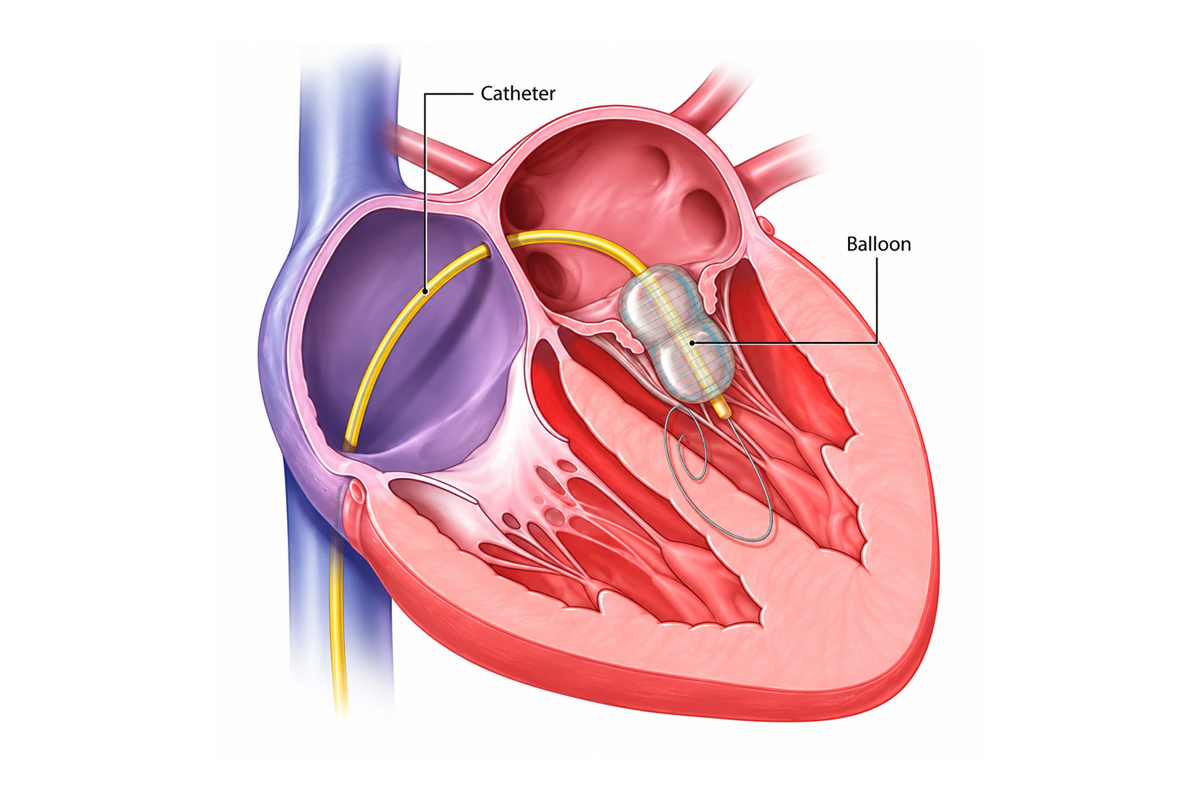
For: Selected patients with narrowed heart valves.
A catheter-based procedure that uses a balloon to widen the narrowed valve opening.
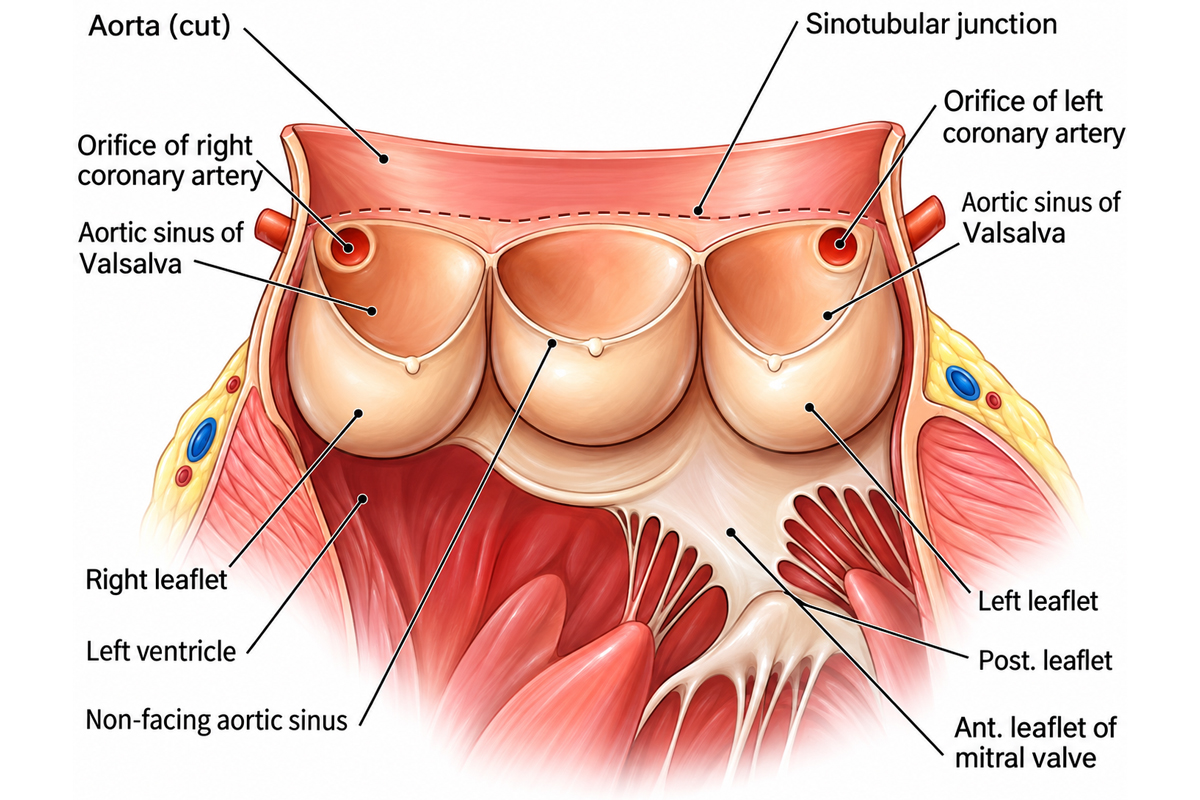
For: Selected patients with ruptured sinus of Valsalva.
A catheter-based technique used to close the abnormal communication caused by an RSOV.
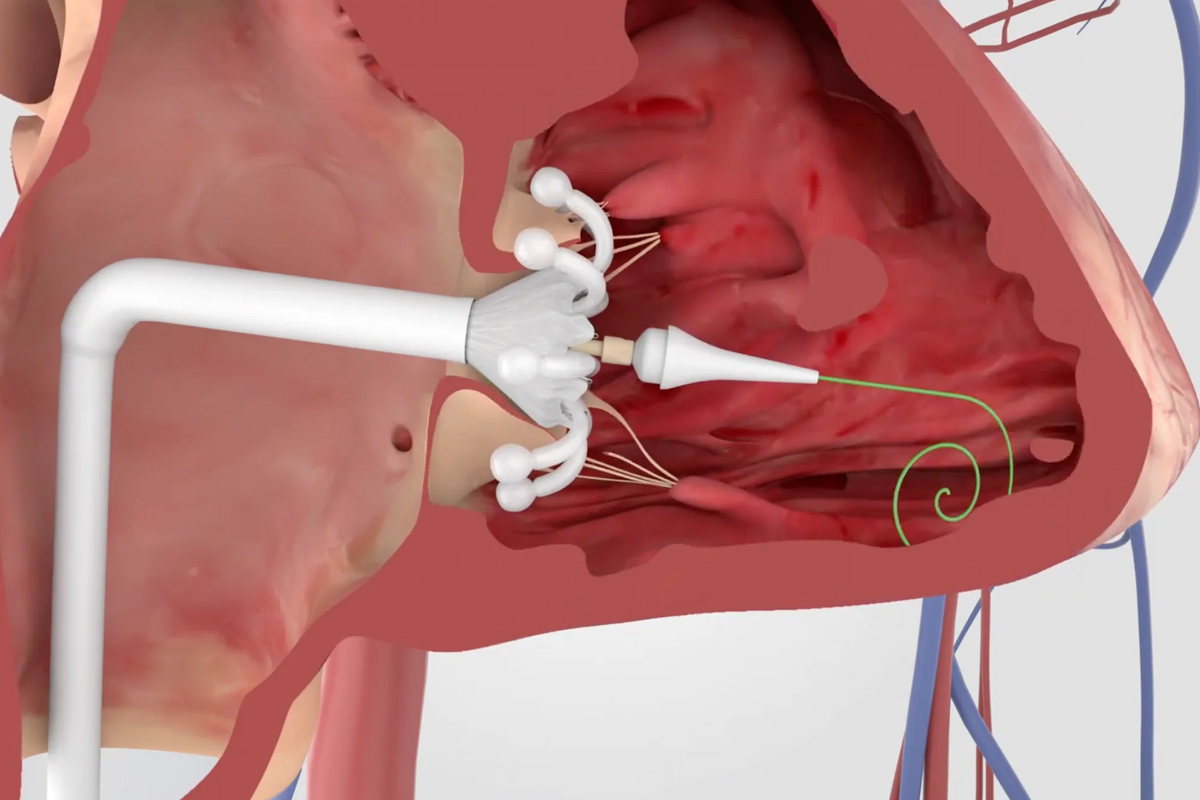
For: Selected patients with significant tricuspid regurgitation.
A minimally invasive approach designed to reduce tricuspid valve leakage in suitable patients.
Specialised heart valve treatment requires advanced expertise, careful evaluation, and a personalised approach. Dr. Vaibhav Jayesh Bhastana specialises in TAVI, MitraClip, and structural heart interventions, providing comprehensive assessment and minimally invasive treatment options for complex valve conditions.

Dr. Vaibhav Jayesh Bhastana is a dedicated Interventional & Structural Cardiologist with over 10+ years of experience in the field of cardiology. He specializes in complex coronary angioplasties and structural cardiological interventions, ensuring that patients receive comprehensive and compassionate care.
Dr. Bhastana completed his MBBS at Seth GS Medical College & KEM Hospital, Mumbai, from 2010 to 2016, where he was trained in all fundamental aspects of medical sciences and patient care.
He pursued his MD in Medicine at Topiwala National MedicalCollege and Nair Hospital, Mumbai, from 2016 to 2019. During this residency, he was trained in managing both elective and emergency cases in Internal Medicine.
From your first consultation to recovery and follow-up, every step is carefully planned around your heart health.
A detailed review of your symptoms, diagnosis, medical history, and previous reports.
Detailed imaging and diagnostic tests to assess valve anatomy, disease severity, and treatment suitability.
A multidisciplinary review involving valve specialists, interventional cardiologists, and imaging experts to determine the appropriate treatment approach.
The selected valve procedure is performed using a catheter-based approach in a specialised cardiac catheterisation laboratory.
Post-procedure monitoring, recovery guidance, medication management, and scheduled follow-up to support long-term heart health.
Hear from patients about their experience with Dr. Vaibhav Jayesh Bhastana, from specialist evaluation and treatment planning to ongoing care for heart valve conditions.
View All Reviews
The staff behaviour is very good and the doctor’s treatment is excellent. I particularly liked that the doctor explained how to take medicine to patients in a formal and understandable manner that they will remember.

Very satisfied with the consultation. Minimal wait time, clear communication, and effective treatment.
Very smooth experience from consultation to follow-up. Clear communication and effective treatment
Great experience overall. Accurate diagnosis and very reassuring attitude.
Good doctor. Very understanding. Highly recommended
Had visited him regarding my chest pain issue. Shows empathy, listens to patient concerns, provides reassurance and psychological support, especially in acute settings.
Efficient, polite, and professional. Would definitely recommend
Highly skilled and genuinely caring. Felt completely at ease.
Expert and best doctor for TAVI in Mumbai. Successfully operated for my father
Very good , experienced and humble doctor 👍🏻

Share your experience with Dr. Vaibhav Jayesh Bhastana. Leave a Review
Suitability depends on the type and severity of valve disease, heart anatomy, age, medical history, and overall health. A detailed specialist evaluation is required to determine the most appropriate treatment approach.
These procedures may be considered for selected elderly patients, particularly when conventional open-heart surgery may carry increased surgical risk. Individual assessment is essential before recommending treatment.
Recovery varies depending on the procedure and the patient’s overall health. Many patients can begin mobilisation within a short period and may be discharged within a few days when recovery is uncomplicated.
The need for future surgery depends on the underlying valve condition, the procedure performed, and long-term valve function. Your specialist will discuss the expected treatment pathway and follow-up requirements during evaluation.
Suitability is assessed through a combination of clinical evaluation, echocardiography, CT imaging, medical history, and other relevant investigations. In appropriate cases, the findings are reviewed as part of a multidisciplinary heart team assessment.
Yes. Advanced catheter-based valve and structural heart procedures are available at specialised cardiac centres in Mumbai, where appropriately selected patients can undergo evaluation and treatment by experienced specialist teams.
Yes. Tests such as echocardiography, CT scans, ECG, blood investigations, and other assessments may be required depending on your condition. These investigations help evaluate valve anatomy, disease severity, heart function, and treatment suitability.
Yes. Previous echocardiograms, CT scans, angiography reports, discharge summaries, and other relevant medical records can help the specialist understand your medical history and plan the next steps in your evaluation.
Yes. In addition to advanced valve interventions, structural heart procedures may include Left Atrial Appendage Occlusion (LAAO) and catheter-based device closure for selected congenital heart defects. Treatment is recommended based on individual clinical and anatomical assessment.
Bring your previous echocardiography or CT reports, angiography records, discharge summaries, current medication list, and any relevant medical history. Having these details available can help the specialist assess your condition and discuss appropriate treatment options.