Tricuspid Valve Intervention

Tricuspid Valve Intervention

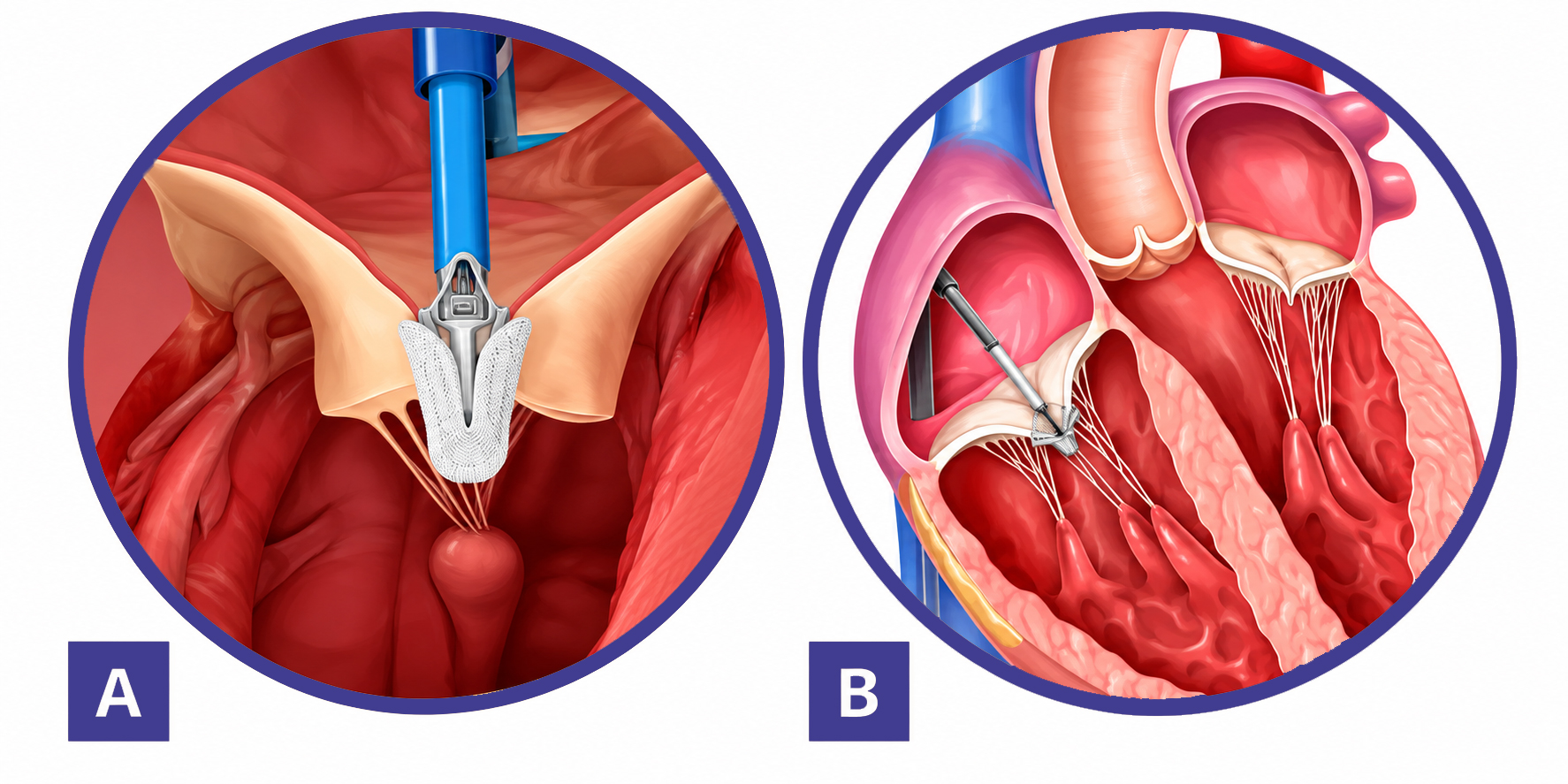
Tricuspid Valve Intervention is a specialised treatment for patients with significant tricuspid valve disease, particularly tricuspid regurgitation where the valve does not close properly and blood flows backward into the right side of the heart.

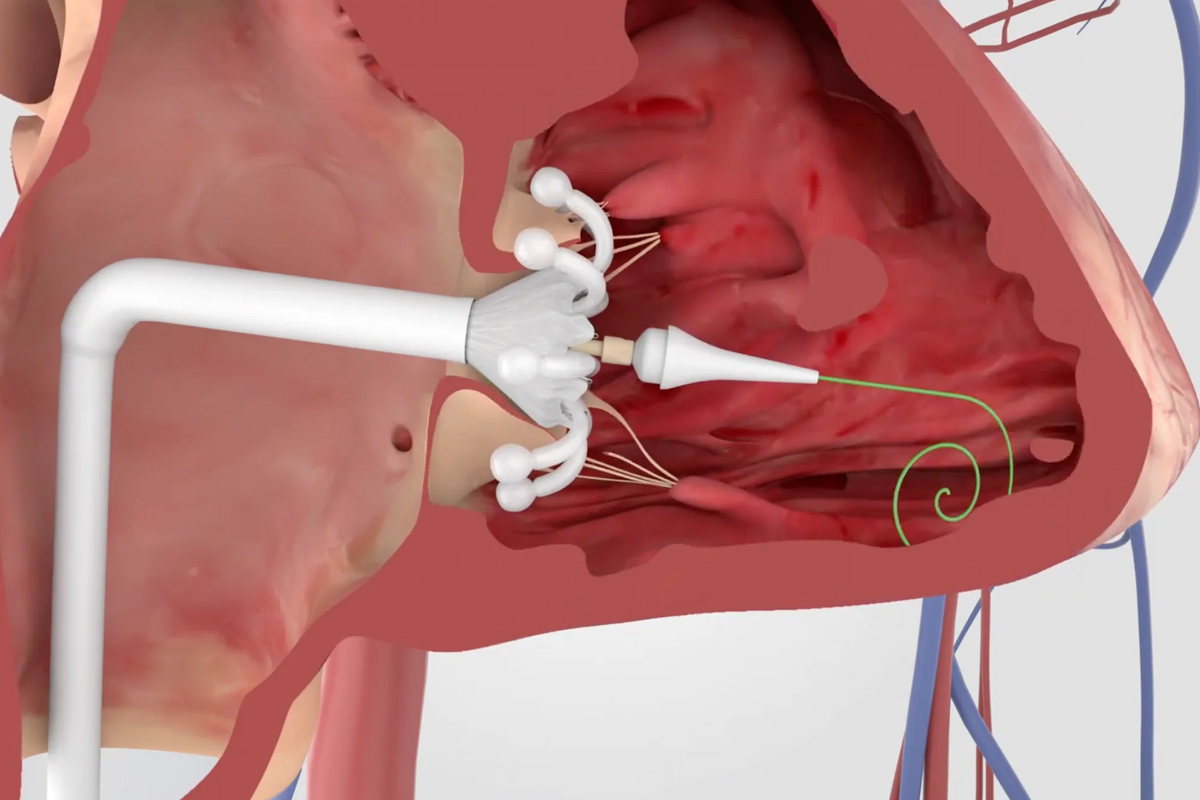
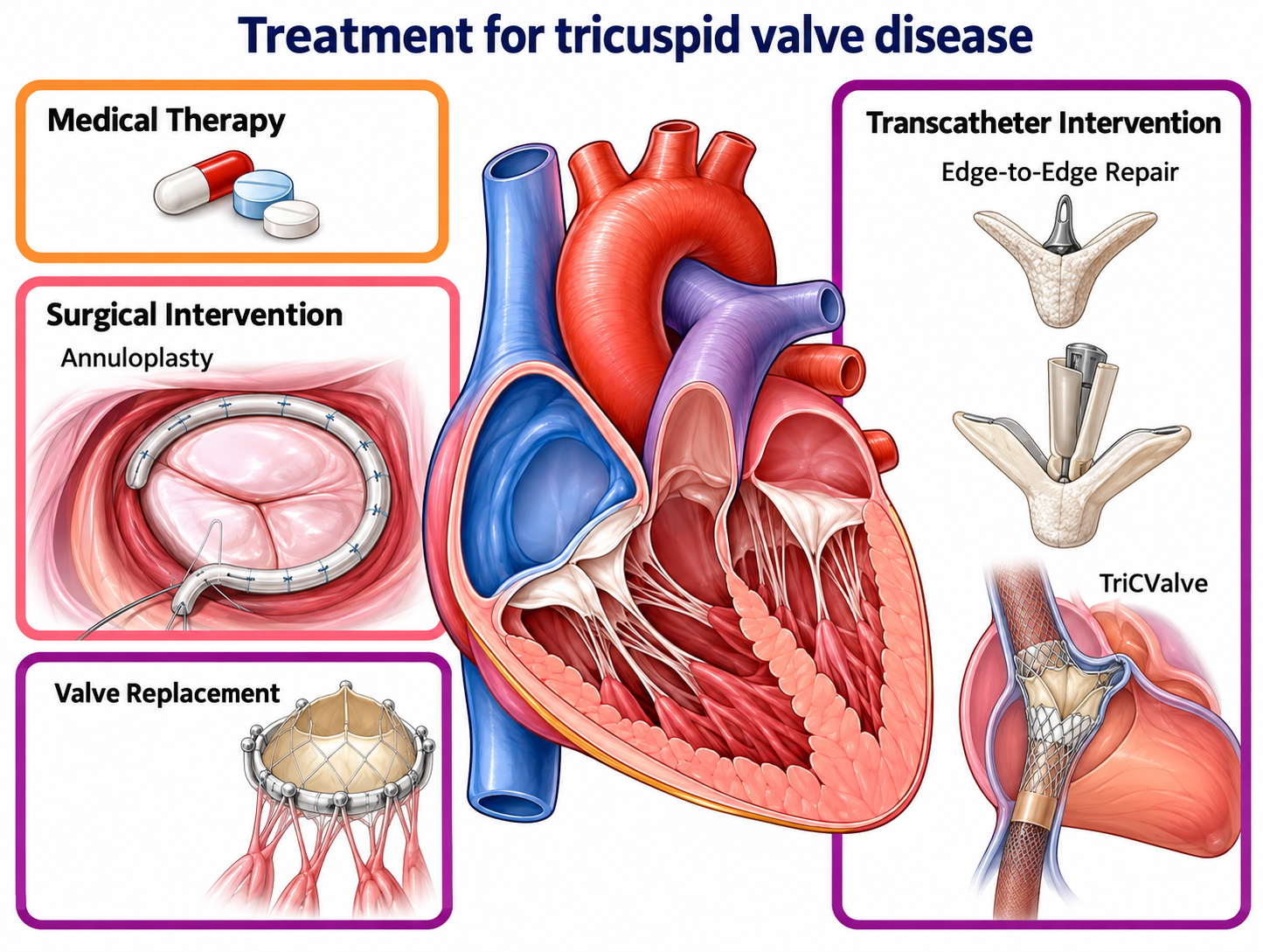
Depending on the severity of the valve problem, symptoms, heart function, and individual anatomy, treatment may include catheter-based minimally invasive procedures or surgical intervention. The aim is to improve valve function, reduce backward blood flow, and support better heart health.

Tricuspid Valve Intervention may be considered for selected patients with significant valve disease who have symptoms, worsening right-sided heart function, or a high risk associated with untreated severe tricuspid regurgitation.

Before treatment, a detailed cardiac assessment is performed. Echocardiography and other advanced imaging help evaluate the tricuspid valve, right ventricle, surrounding structures, and severity of the disease so that the heart team can select the most appropriate treatment approach.
Who It’s For?

Who May Need Tricuspid Valve Intervention?

Tricuspid Valve Intervention may be considered for selected patients with significant tricuspid valve disease after a detailed specialist evaluation.

It may be considered for patients who:

  • Have moderate to severe or severe tricuspid regurgitation.
  • Experience breathlessness, fatigue, swelling of the legs, abdominal discomfort, or reduced exercise tolerance.
  • Have enlargement or weakening of the right side of the heart related to significant tricuspid valve disease.
  • Continue to have symptoms despite appropriate medical treatment.
  • May be at increased risk from conventional open-heart surgery and may benefit from a catheter-based treatment approach.
  • Have valve and heart anatomy suitable for a specific tricuspid valve intervention.
Suitability is determined individually after specialist assessment, advanced cardiac imaging, and heart-team evaluation.
Tricuspid Valve Intervention Procedure
Benefits

Benefits of Tricuspid Valve Intervention

For appropriately selected patients, tricuspid valve intervention can help reduce backward blood flow, improve symptoms, and support right-sided heart function.

Minimally Invasive Treatment

Minimally Invasive Treatment

Selected patients may be treated using catheter-based techniques that avoid conventional open-heart surgery.

Reduced Valve Regurgitation

Reduces Backward Blood Flow

Treatment can help improve the way the tricuspid valve closes and reduce the amount of blood flowing backward.

Symptom Relief

Helps Relieve Symptoms

Improving tricuspid valve function may help reduce breathlessness, fatigue, swelling, and reduced exercise tolerance in suitable patients.

Supports Right Heart Function

Supports Right Heart Function

Reducing significant tricuspid regurgitation may help reduce the workload and pressure on the right side of the heart.

Potentially Faster Recovery

Potentially Faster Recovery

Catheter-based treatment may allow a shorter recovery compared with traditional surgery in appropriately selected patients.

Personalised Treatment Planning

Personalised Treatment Planning

Treatment is planned according to your valve condition, symptoms, right heart function, anatomy, and overall health.

Outcomes of Procedure Delay

Risks of Delaying Tricuspid Valve Treatment

  • Persistent or worsening backward blood flow through the tricuspid valve.
  • Increasing breathlessness, fatigue, swelling, or reduced ability to perform daily activities.
  • Progressive enlargement or weakening of the right side of the heart.
  • Increasing pressure in the veins and congestion in the body due to worsening right-sided heart dysfunction.
  • Increased fluid retention causing swelling of the legs, abdomen, or other areas.
  • Greater risk of worsening heart failure and repeated hospital visits in advanced disease.
  • Delayed evaluation may reduce opportunities for timely valve treatment when intervention becomes appropriate.
Tricuspid Valve Disease and Right Heart Function
Procedure Timeline

Your Tricuspid Valve Intervention Journey

A simple step-by-step overview of evaluation, treatment planning, intervention, recovery, and follow-up.

Step 1

Specialist Consultation

Your symptoms, medical history, previous reports, medications, heart condition, and tricuspid valve problem are carefully reviewed.

Step 2

Detailed Valve Assessment

Echocardiography and other cardiac imaging are used to assess tricuspid valve function, right heart size, heart function, and the severity of regurgitation.

Step 3

Heart-Team Treatment Planning

Your valve anatomy, symptoms, right heart function, surgical risk, imaging findings, and available treatment options are reviewed to select the most appropriate approach.

Step 4

Tricuspid Valve Intervention

The selected procedure is performed using a catheter-based technique or surgical approach, depending on your individual valve condition and treatment plan.

Step 5

Recovery & Observation

Your heart rhythm, blood pressure, symptoms, access site when applicable, and overall recovery are monitored after the procedure.

Step 6

Follow-Up & Long-Term Care

Follow-up visits and echocardiography help assess valve function, right heart recovery, symptoms, medications, and long-term cardiac health.

What Sets Us Apart

Why Choose Our Tricuspid Valve & Structural Heart Care?

Specialist-led evaluation, advanced cardiac imaging, careful treatment planning, and structured follow-up for patients with tricuspid valve disease.

01

Specialised Tricuspid Valve Expertise

Specialist evaluation for patients with significant tricuspid valve disease and right-sided heart problems.

02

Advanced Cardiac Imaging

Detailed echocardiography and other imaging techniques help assess valve anatomy, regurgitation, and right heart function.

03

Individual Risk Assessment

Symptoms, heart function, surgical risk, medical history, and valve anatomy are carefully considered before treatment.

04

Structural Heart Expertise

Expertise in catheter-based structural heart procedures and minimally invasive treatment approaches.

05

Personalised Treatment Planning

Treatment decisions are tailored to your symptoms, valve anatomy, right heart function, and overall health.

06

Multidisciplinary Heart-Team Care

Complex cases can be reviewed through a coordinated approach involving cardiologists, imaging specialists, interventional specialists, and cardiac surgeons when required.

What Our Patients Say

The staff behaviour is very good and the doctor’s treatment is excellent.

Ansh Kapuriya

Happy Patient

Very satisfied with the consultation. Minimal wait time, clear communication, and effective treatment.

Chandni Vegad

Happy Patient

Very smooth experience from consultation to follow-up. Clear communication and effective treatment.

Prateeksha Kini

Happy Patient

Great experience overall. Accurate diagnosis and very reassuring attitude.

Raj Thakkar

Happy Patient

Good doctor. Very understanding. Highly recommended.

Maanini Thakker

Happy Patient

Frequently Asked Questions

Tricuspid Valve Intervention refers to treatments used to improve the function of a diseased tricuspid valve. Depending on the patient's condition, treatment may involve a minimally invasive catheter-based procedure or surgery.

It may be performed to reduce significant tricuspid regurgitation, improve symptoms, reduce strain on the right side of the heart, and support better heart function in selected patients.

It may be considered for selected patients with significant tricuspid valve disease, symptoms, right-sided heart dysfunction, or patients who may benefit from a minimally invasive treatment. Final suitability depends on individual anatomy and overall health.

Not always. Some tricuspid valve treatments are performed using minimally invasive catheter-based techniques through a blood vessel. Other patients may require surgical repair or replacement depending on their condition.

The exact technique depends on the type of tricuspid valve disease and the patient's anatomy. Catheter-based procedures use a thin tube guided to the heart, while surgical treatment may involve valve repair or replacement.

Procedure time varies depending on the type of intervention, valve anatomy, medical condition, and procedural complexity. Your specialist can provide more specific information after evaluation.

Evaluation may include ECG, echocardiography, transoesophageal echocardiography, blood tests, cardiac imaging, and other investigations when required. These tests help assess the valve, right heart function, and treatment suitability.

Hospital stay varies depending on the type of treatment and individual recovery. Patients undergoing an uncomplicated catheter-based procedure may require a shorter stay than patients undergoing surgical treatment.

Recovery is different for every patient and depends on the treatment performed. Light activities may be resumed gradually according to your doctor's advice.

Your cardiologist may prescribe medicines based on your heart condition, treatment performed, and recovery. Take prescribed medicines as advised and do not stop them without medical guidance.

Yes. Regular follow-up is important to assess tricuspid valve function, right heart function, symptoms, medications, and overall recovery. Follow-up echocardiography may also be recommended.

Tricuspid Valve Intervention Consultation

Have Tricuspid Valve Disease?

If you have been diagnosed with significant tricuspid valve disease, have symptoms such as breathlessness or swelling, or have been advised to consider valve treatment, a specialist evaluation can help determine whether Tricuspid Valve Intervention may be suitable for you.