Transcatheter Aortic Valve Implantation (TAVI / TAVR)

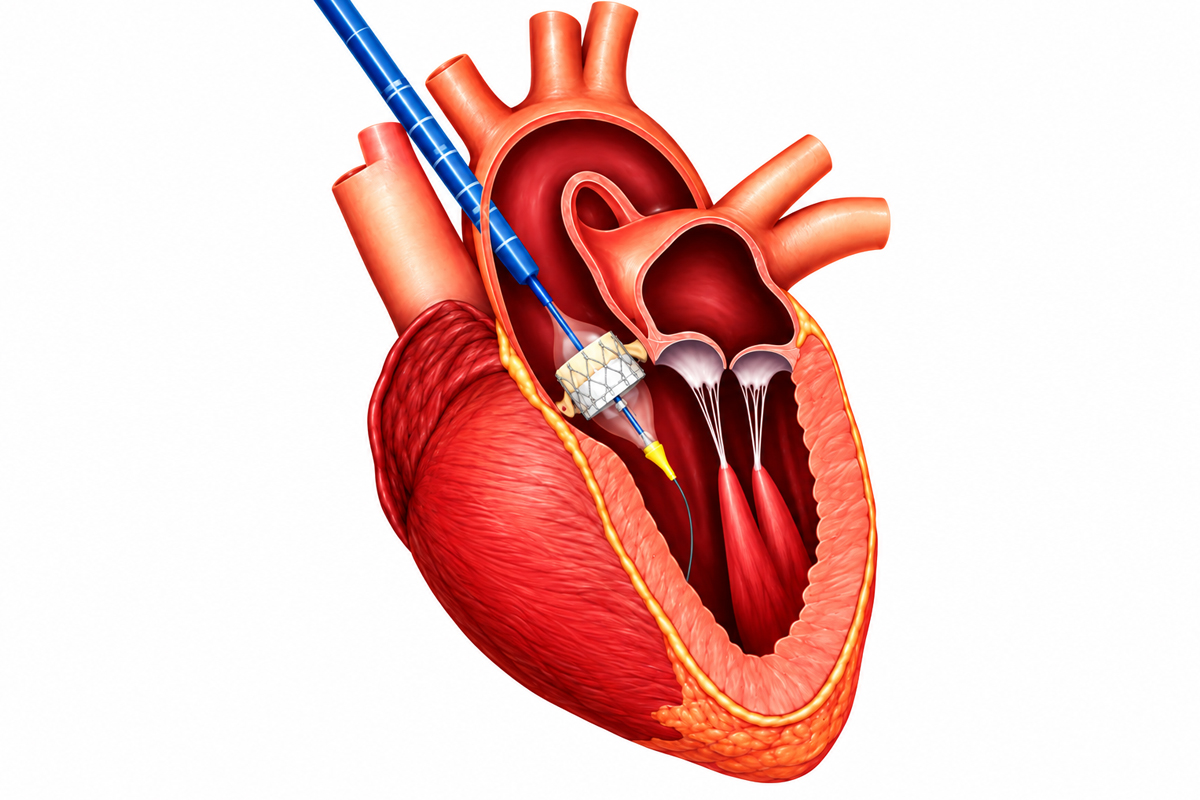
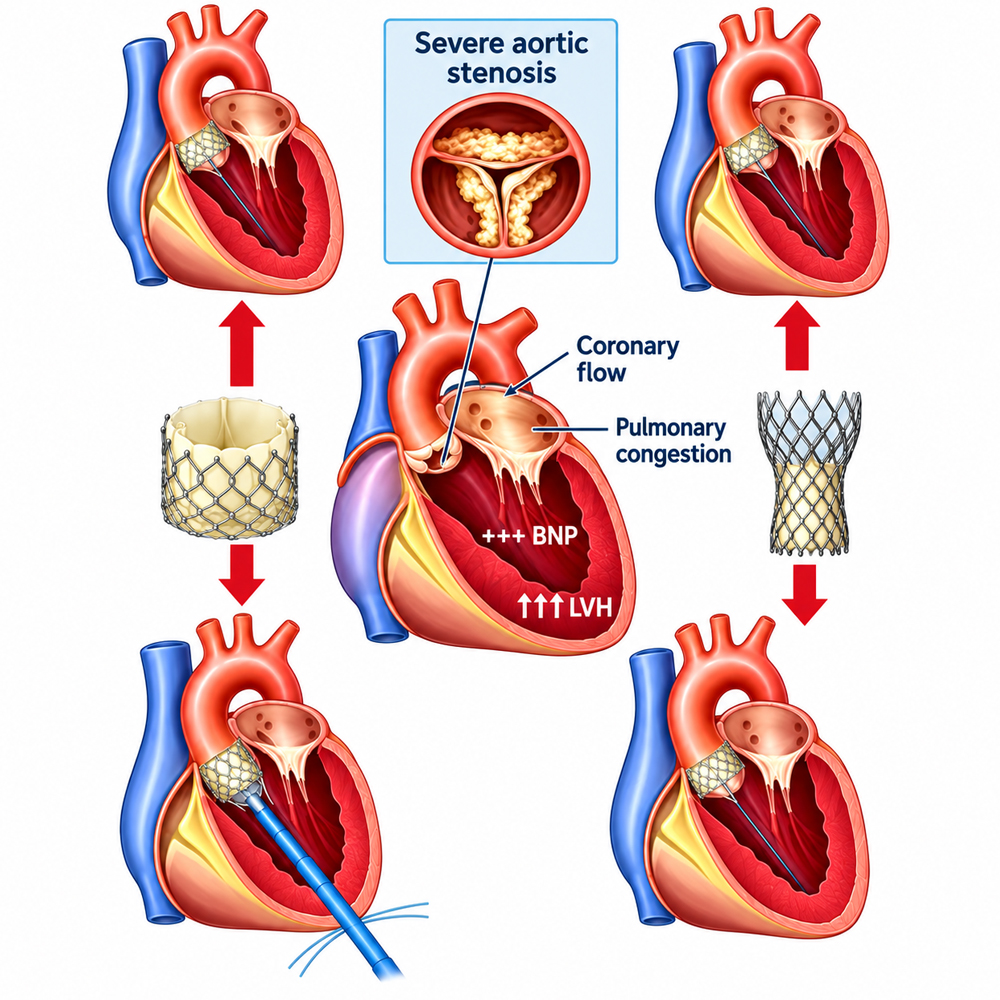
Transcatheter Aortic Valve Implantation (TAVI), also known as Transcatheter Aortic Valve Replacement (TAVR), is a minimally invasive procedure used to replace a severely narrowed aortic valve, most commonly in patients with severe aortic stenosis.

Unlike conventional open-heart valve surgery, TAVI is performed using a catheter-based approach. A replacement valve is guided to the heart, usually through an artery in the groin, and positioned within the diseased aortic valve. The new valve then helps restore more effective blood flow from the heart to the rest of the body.
Who It’s For?

Who Needs Transcatheter Aortic Valve Implantation (TAVI) Surgery/Procedure?

TAVI may be considered for selected patients with severe symptomatic aortic stenosis following detailed clinical and imaging assessment.

It may be appropriate for patients who:

  • Have severe aortic stenosis
  • Experience breathlessness, chest discomfort, dizziness, fainting, or reduced activity tolerance
  • Have been advised to undergo aortic valve replacement
  • May have increased risk with conventional open-heart surgery
  • Are elderly, frail, or have other significant medical conditions
  • Have valve anatomy suitable for a transcatheter procedure
Suitability is determined individually after specialist evaluation and appropriate cardiac imaging.
TAVI Procedure
Benefits

Benefits of Transcatheter Aortic Valve Implantation

For appropriately selected patients, potential benefits of TAVI include:

Minimally Invasive Approach

Usually performed without conventional open-heart surgery or a large chest incision.

Improvement in Symptoms

Treatment of severe aortic stenosis may improve breathlessness, fatigue, and exercise tolerance.

Shorter Recovery

Many patients can mobilise relatively early following the procedure.

Shorter Hospital Stay

Selected patients may be able to return home within a few days, depending on their recovery.

Option for Higher-Risk Patients

TAVI may provide a treatment option for patients in whom conventional surgery carries increased risk.

Individualised Treatment Planning

Valve selection and procedural planning are based on detailed imaging, anatomy, and overall clinical condition.

Outcomes of Procedure Delay

Potential Risks of Delaying TAVI / TAVR for Aortic Valve Disease

  • Worsening symptoms such as breathlessness, chest pain, and fatigue
  • Increasing strain on the heart, potentially leading to heart failure
  • Higher risk of emergency hospitalisation
  • Risk of dizziness, fainting, or sudden deterioration
  • Decline in physical strength and daily activity
  • Potential impact on other organs due to reduced blood flow
  • May limit future treatment options in some patients
Procedure Timeline

Your TAVI Journey: From Evaluation to Recovery

A step-by-step overview of the TAVI procedure, hospital recovery and return to routine activities.

Step 1

Initial Specialist Assessment

Your symptoms, medical history, previous cardiac reports, and treatment needs are reviewed by the specialist.

Step 2

Detailed Valve Assessment

Echocardiography, CT imaging, and other investigations are performed to assess the aortic valve and determine procedural suitability.

Step 3

Treatment Planning

The findings are reviewed to determine the most appropriate treatment approach, including valve selection and procedural planning.

Step 4

TAVI Procedure

The replacement valve is delivered through a catheter, usually via an artery in the groin, and positioned within the diseased aortic valve.

Step 5

Early Recovery

After the procedure, heart rhythm, valve function, access site, and overall recovery are closely monitored.

Step 6

Follow-Up & Long-Term Care

Follow-up assessments help monitor the replacement valve, symptoms, medications, and overall cardiovascular health.

What Sets Us Apart

Why Choose Our Heart Valve & Structural Heart Care?

Specialist-led care, advanced treatment planning, and a multidisciplinary approach for patients requiring complex valve and structural heart interventions.

01

Specialised TAVI Expertise

Experience in Transcatheter Aortic Valve Implantation (TAVI) for selected patients with severe aortic stenosis, including complex cases.

02

Advanced Imaging & Planning

Detailed echocardiography and cardiac imaging support precise assessment of valve anatomy and procedural suitability.

03

Care for Complex & High-Risk Patients

Individualised evaluation for patients with complex medical conditions or increased risk with conventional surgery.

04

Comprehensive Structural Heart Expertise

Specialised care across a range of structural heart procedures, including TAVI, MitraClip/TEER, TMVR, LAAO, and device closure.

05

Individualised Treatment Approach

Treatment planning is tailored to each patient’s valve condition, anatomy, symptoms, overall health, and clinical needs.

06

Multidisciplinary Heart-Team Care

Complex cases can be assessed through a coordinated approach involving interventional and structural cardiology and other relevant specialists.

What Our Patients Says

The staff behaviour is very good and the doctor’s treatment is excellent. I particularly liked that the doctor explained how to take medicine to patients in a formal and understandable manner that they will remember.

Ansh Kapuriya

Happy Patient

Very satisfied with the consultation. Minimal wait time, clear communication, and effective treatment.

Chandni Vegad

Happy Patient

Very smooth experience from consultation to follow-up. Clear communication and effective treatment

Prateeksha Kini

Happy Patient

Great experience overall. Accurate diagnosis and very reassuring attitude.

Raj Thakkar

Happy Patient

Good doctor. Very understanding. Highly recommended

Maanini Thakker

Happy Patient

Had visited him regarding my chest pain issue. Shows empathy, listens to patient concerns, provides reassurance and psychological support, especially in acute settings.

Rakesh Narshana

Happy Patient

Efficient, polite, and professional. Would definitely recommend

Nirmala Thakkar

Happy Patient

Highly skilled and genuinely caring. Felt completely at ease.

Utsav Doshi

Happy Patient

Expert and best doctor for TAVI in Mumbai. Successfully operated for my father

Manan Patel

Happy Patient

Very good , experienced and humble doctor 👍🏻

Ansari Zainab

Happy Patient

Frequently Asked Questions

Yes. TAVI stands for Transcatheter Aortic Valve Implantation, while TAVR stands for Transcatheter Aortic Valve Replacement. Both terms generally refer to the same catheter-based aortic valve replacement procedure.

TAVI may be considered for selected patients with severe aortic stenosis. Suitability depends on symptoms, age, overall health, surgical risk, valve anatomy, and imaging findings.

No. TAVI is a catheter-based procedure and usually does not require the conventional opening of the chest used in surgical aortic valve replacement.

In many patients, the replacement valve is delivered through a catheter inserted into an artery in the groin. Alternative access routes may be considered when necessary.

Procedure duration varies according to individual anatomy, clinical condition, and procedural complexity. Your specialist team can provide more specific information after evaluation.

Hospital stay varies from patient to patient. Selected patients with an uncomplicated recovery may be discharged within a few days.

Evaluation commonly includes echocardiography, CT imaging, blood tests, ECG, and other cardiac investigations depending on the individual patient.

Recovery differs for every patient. Many patients begin mobilising early, with activity gradually increased according to medical advice.

Yes. Regular follow-up is important to assess valve function, symptoms, medications, and overall cardiovascular health.

Yes. Previous echocardiograms, CT scans, angiography reports, discharge summaries, and other relevant cardiac records can be useful during specialist evaluation.

Heart Valve Experts

Been Diagnosed With Severe Aortic Stenosis?

If you have been advised to undergo aortic valve replacement or are exploring alternatives to conventional open-heart surgery, a specialist evaluation can help determine whether TAVI/TAVR may be appropriate for you.