Transcatheter Mitral Valve Repair TMVR

Transcatheter Mitral Valve Repair (TMVR)

Transcatheter Mitral Valve Repair (TMVR) is a minimally invasive treatment option for selected patients with significant mitral valve disease, particularly mitral regurgitation, where the valve allows blood to leak backward.

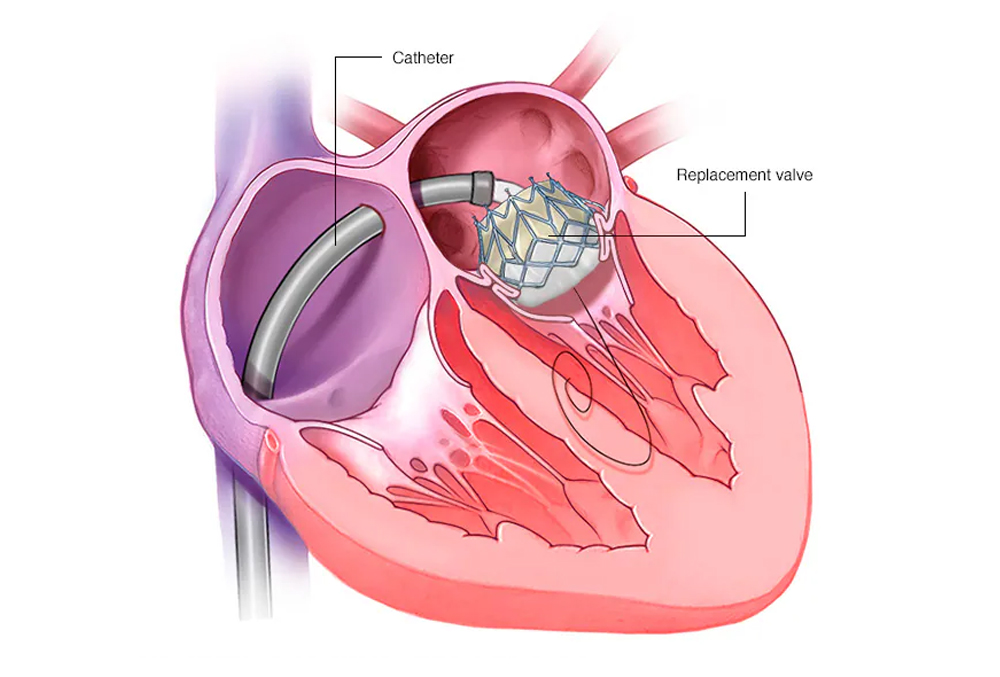
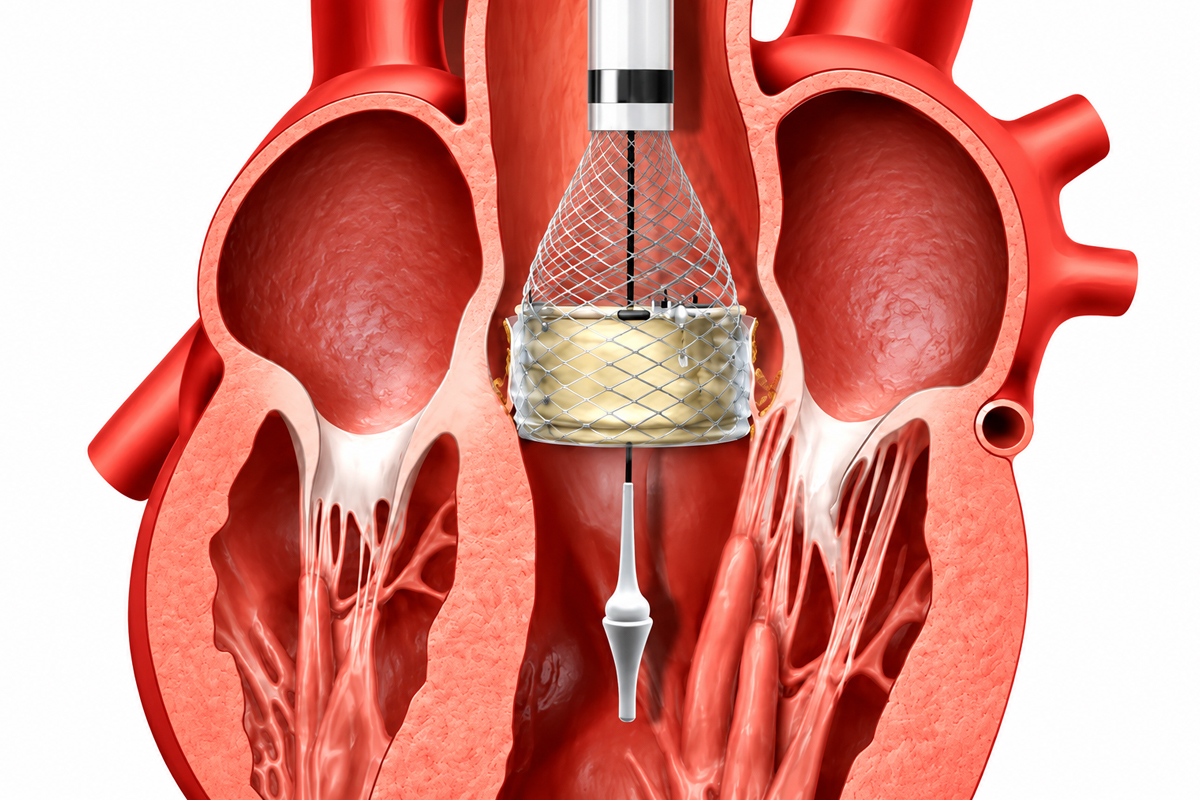
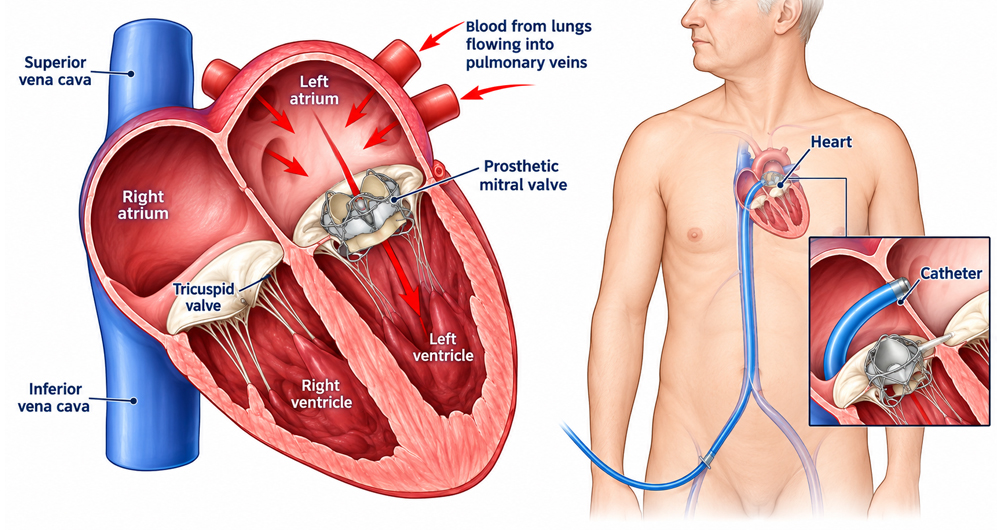
During TMVR, a specialised device is delivered to the heart through a thin catheter. The mitral valve is carefully treated to help improve its function and reduce abnormal blood leakage, without the need for conventional open-heart surgery in appropriately selected patients.

Mitral valve problems can cause breathlessness, tiredness, swelling of the legs, reduced exercise capacity, and difficulty performing everyday activities. TMVR may offer a less invasive treatment option for patients who require mitral valve intervention.

A detailed clinical assessment and advanced cardiac imaging are important before TMVR. The heart team evaluates the severity and cause of the valve problem, valve anatomy, symptoms, medical history, and overall health to decide whether this treatment is suitable.

Who It’s For?

Who May Need Transcatheter Mitral Valve Repair?

TMVR may be considered for selected patients with significant mitral valve disease and symptoms after a detailed clinical and imaging assessment.

It may be considered for patients who:

  • Have significant mitral valve regurgitation or other suitable mitral valve disease.
  • Experience breathlessness, fatigue, swelling, or reduced exercise tolerance.
  • Continue to experience symptoms despite appropriate medical treatment.
  • May have increased risk with conventional mitral valve surgery.
  • Are elderly, frail, or have other medical conditions that may make surgery more challenging.
  • Have mitral valve anatomy that is suitable for catheter-based repair.
Suitability is determined individually after specialist evaluation, cardiac imaging, and heart-team assessment.
Transcatheter Mitral Valve Repair Procedure
Benefits

Benefits of Transcatheter Mitral Valve Repair (TMVR)

For appropriately selected patients, TMVR may offer several potential benefits compared with conventional surgical approaches.

Minimally Invasive Approach

Minimally Invasive Approach

TMVR is performed through a catheter-based approach and generally avoids conventional chest opening.

Symptom Improvement

Improvement in Symptoms

Improving mitral valve function may help reduce breathlessness, tiredness, and difficulty with physical activity.

Recovery

Potentially Faster Recovery

Selected patients may be able to mobilise and return to routine activities sooner than after conventional surgery.

Hospital Stay

Shorter Hospital Stay

Depending on individual recovery, patients may be able to return home after a relatively short period of hospital observation.

Higher Risk Patients

Option for Higher-Risk Patients

TMVR may provide a treatment option for selected patients for whom conventional mitral valve surgery may carry increased risk.

Personalised Treatment

Individualised Treatment Planning

Treatment planning is tailored to the patient's valve anatomy, symptoms, medical history, imaging findings, and overall health.

Outcomes of Procedure Delay

Risks of Delaying Mitral Valve Evaluation

  • Worsening breathlessness, fatigue, and swelling of the legs.
  • Increasing strain on the heart and possible progression of heart failure.
  • Increased risk of hospitalisation due to worsening symptoms or fluid retention.
  • Increased risk of irregular heart rhythms, including atrial fibrillation.
  • Increasing pressure in the lungs because of significant mitral valve leakage.
  • Declining exercise capacity and difficulty with normal daily activities.
  • Possible progression of heart-related complications if significant valve disease remains untreated.
Mitral Valve Disease
Procedure Timeline

Your TMVR Journey: From Evaluation to Recovery

A simple step-by-step overview of assessment, treatment, recovery, and follow-up.

Step 1

Specialist Consultation

Your symptoms, medical history, previous cardiac reports, medications, and treatment needs are carefully reviewed.

Step 2

Detailed Mitral Valve Assessment

Echocardiography and other cardiac imaging help assess the mitral valve, the severity of the disease, and whether the valve anatomy is suitable for TMVR.

Step 3

Heart-Team Treatment Planning

Your clinical condition and imaging findings are reviewed to determine whether transcatheter mitral valve repair is appropriate and to plan the treatment safely.

Step 4

TMVR Procedure

A thin catheter is guided to the heart and the specialised repair device is carefully positioned to improve the function of the mitral valve.

Step 5

Recovery & Observation

Heart rhythm, valve function, access site, symptoms, and overall recovery are monitored after the procedure.

Step 6

Follow-Up & Long-Term Care

Follow-up visits help monitor mitral valve function, symptoms, medications, and overall cardiovascular health.

What Sets Us Apart

Why Choose Our TMVR & Structural Heart Care?

Specialist-led evaluation, advanced cardiac imaging, careful treatment planning, and structured follow-up for patients considering transcatheter mitral valve repair.

01

Specialised TMVR Expertise

Specialist evaluation for selected patients with significant mitral valve disease who may benefit from catheter-based repair.

02

Advanced Mitral Valve Imaging

Detailed cardiac imaging helps assess valve anatomy, severity of disease, and suitability for transcatheter mitral valve repair.

03

Complex Case Assessment

Individualised evaluation for patients with complex mitral valve conditions or increased risk with conventional surgery.

04

Structural Heart Expertise

Expertise in catheter-based structural heart procedures and minimally invasive mitral valve treatment options.

05

Personalised Treatment Planning

Treatment decisions are based on valve anatomy, symptoms, medical history, imaging findings, and individual clinical needs.

06

Multidisciplinary Heart-Team Care

Complex cases can be reviewed through a coordinated approach involving relevant cardiac specialists.

What Our Patients Say

The staff behaviour is very good and the doctor’s treatment is excellent.

Ansh Kapuriya

Happy Patient

Very satisfied with the consultation. Minimal wait time, clear communication, and effective treatment.

Chandni Vegad

Happy Patient

Very smooth experience from consultation to follow-up. Clear communication and effective treatment.

Prateeksha Kini

Happy Patient

Great experience overall. Accurate diagnosis and very reassuring attitude.

Raj Thakkar

Happy Patient

Good doctor. Very understanding. Highly recommended.

Maanini Thakker

Happy Patient

Frequently Asked Questions

Transcatheter Mitral Valve Repair (TMVR) is a minimally invasive, catheter-based approach used to treat selected patients with mitral valve disease. It aims to improve the function of the mitral valve without conventional open-heart surgery in suitable patients.

TMVR may be performed to treat significant mitral valve disease, particularly when mitral regurgitation causes symptoms such as breathlessness, fatigue, swelling, or reduced ability to perform daily activities.

TMVR may be considered for selected patients with significant symptomatic mitral valve disease. Suitability depends on the severity and cause of the valve problem, symptoms, overall health, surgical risk, and valve anatomy.

No. TMVR is a catheter-based treatment and is designed to avoid conventional chest opening in appropriately selected patients.

A thin catheter is guided to the heart through a suitable blood vessel. Using advanced imaging, the specialised repair device is positioned carefully to improve mitral valve function.

The duration can vary depending on the patient's anatomy, medical condition, type of repair required, and procedural complexity. Your specialist can provide more specific information after evaluation.

Evaluation may include echocardiography, transoesophageal echocardiography when required, ECG, blood tests, and other cardiac imaging or investigations depending on the patient's condition.

Hospital stay varies depending on the procedure and individual recovery. Patients with an uncomplicated recovery may be discharged after an appropriate period of observation.

Recovery is different for every patient. Many patients can begin mobilisation early, with activity gradually increased according to their doctor's advice.

Yes. Regular follow-up is important to assess mitral valve function, symptoms, heart function, medications, and overall cardiovascular health.

Yes. Previous echocardiograms, cardiac scans, angiography reports, discharge summaries, blood test reports, and other relevant medical records can help the specialist understand your condition and plan the next steps.

Transcatheter Mitral Valve Repair Consultation

Been Diagnosed With Mitral Valve Disease?

If you have been diagnosed with significant mitral valve disease or are exploring a less invasive alternative to conventional surgery, a specialist evaluation can help determine whether Transcatheter Mitral Valve Repair (TMVR) may be suitable for you.