Choosing the Right Valve & Structural Heart Treatment
Heart valve and structural heart conditions require individual assessment. The appropriate treatment depends on the valve involved, disease severity, anatomy, heart function, and overall health.
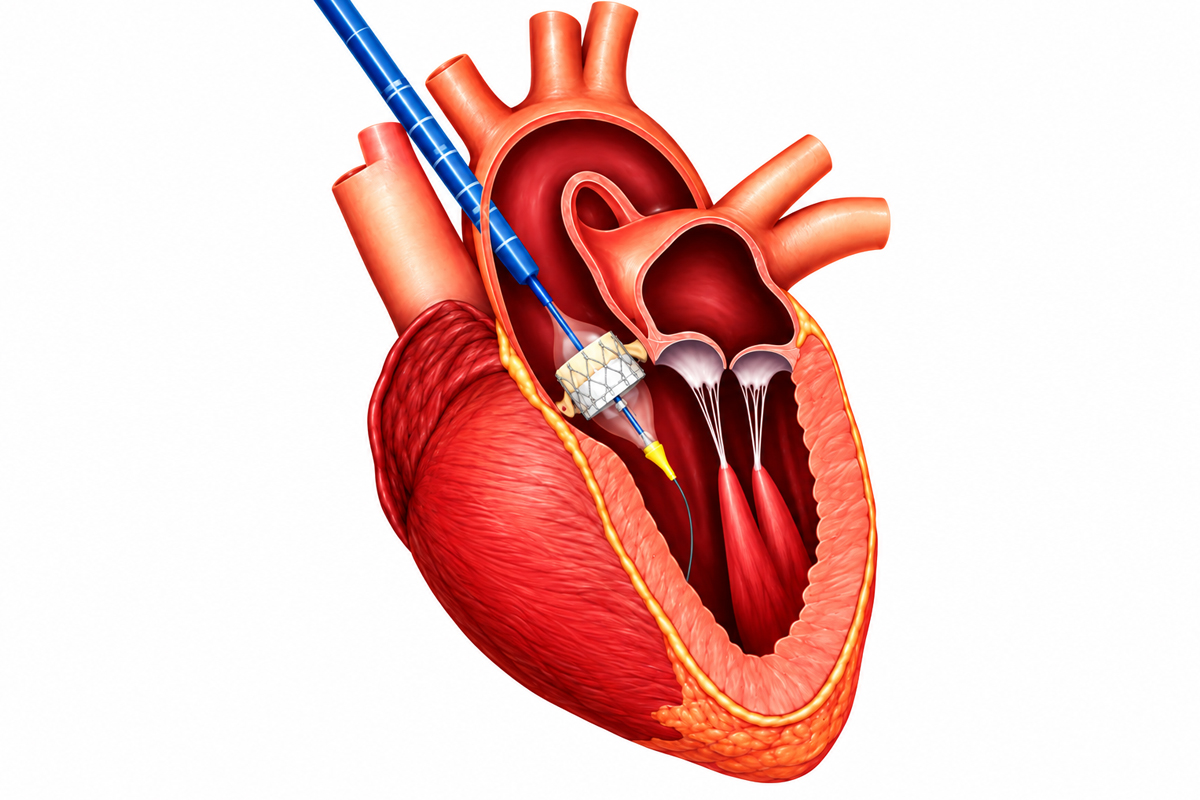
Transcatheter Aortic Valve Implantation (TAVI) / Replacement (TAVR)
For: Severe aortic stenosis and selected aortic valve conditions.
A catheter-based procedure to replace the narrowed aortic valve without conventional open-heart surgery.
MitraClip / Transcatheter Edge-to-Edge Repair (TEER)
For: Selected patients with mitral regurgitation.
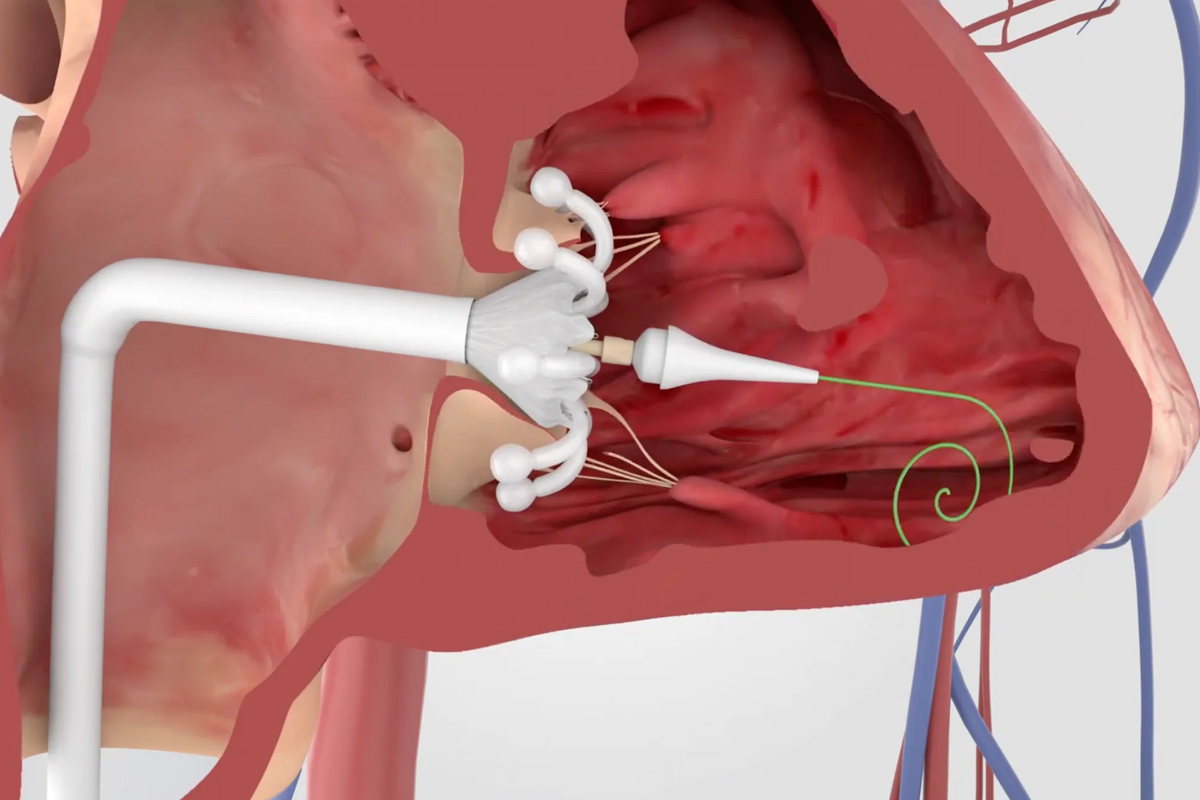
A minimally invasive procedure that reduces mitral valve leakage by bringing the valve leaflets together.
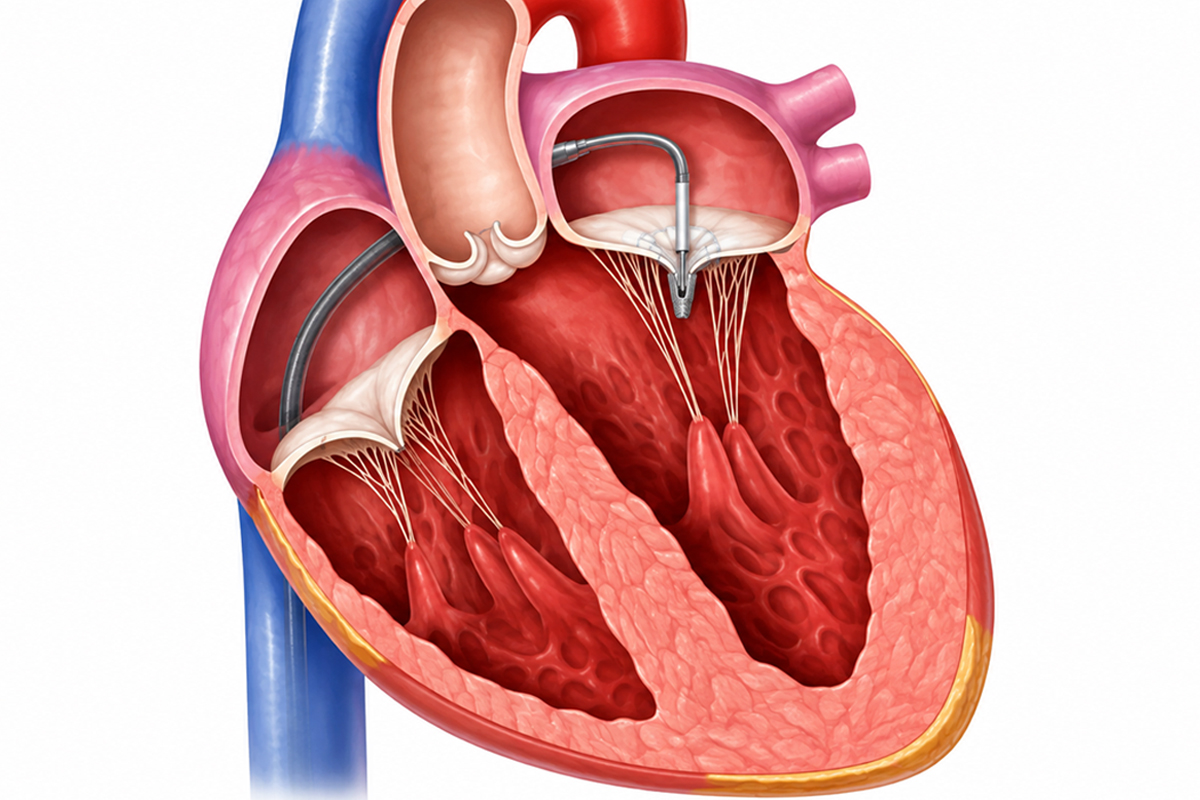
Transcatheter Mitral Valve Replacement (TMVR)
For: Selected complex mitral valve conditions.
A catheter-based approach to replace the diseased mitral valve when conventional surgery may not be suitable.
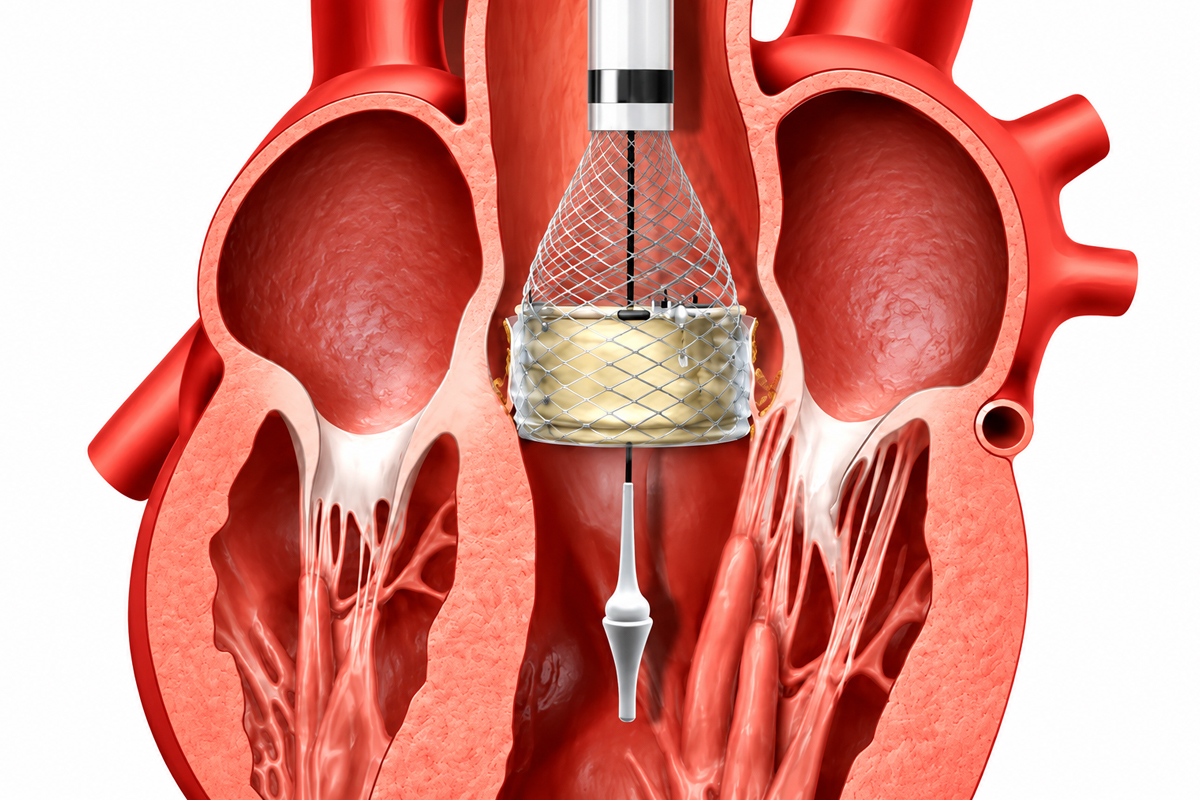
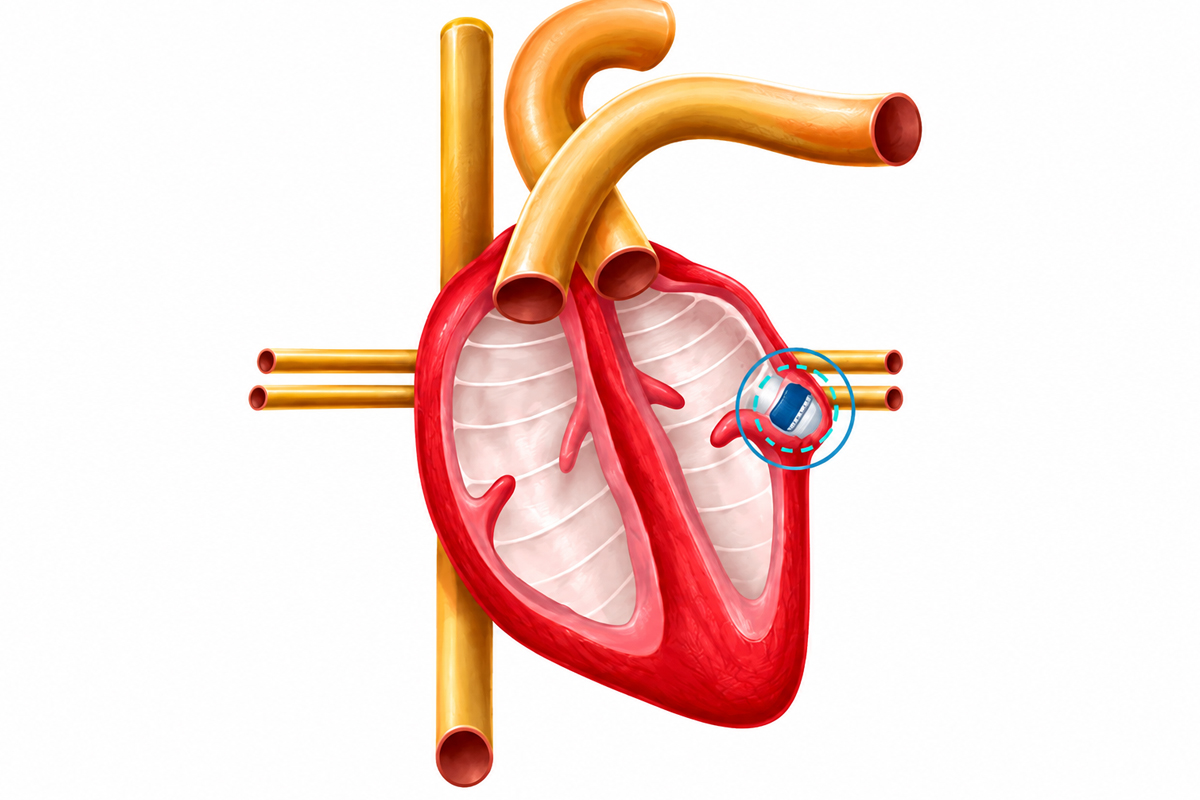
Left Atrial Appendage Occlusion (LAAO)
For: Selected patients with atrial fibrillation and increased stroke risk.
A catheter-based procedure that closes the left atrial appendage to reduce the risk of blood clot formation.
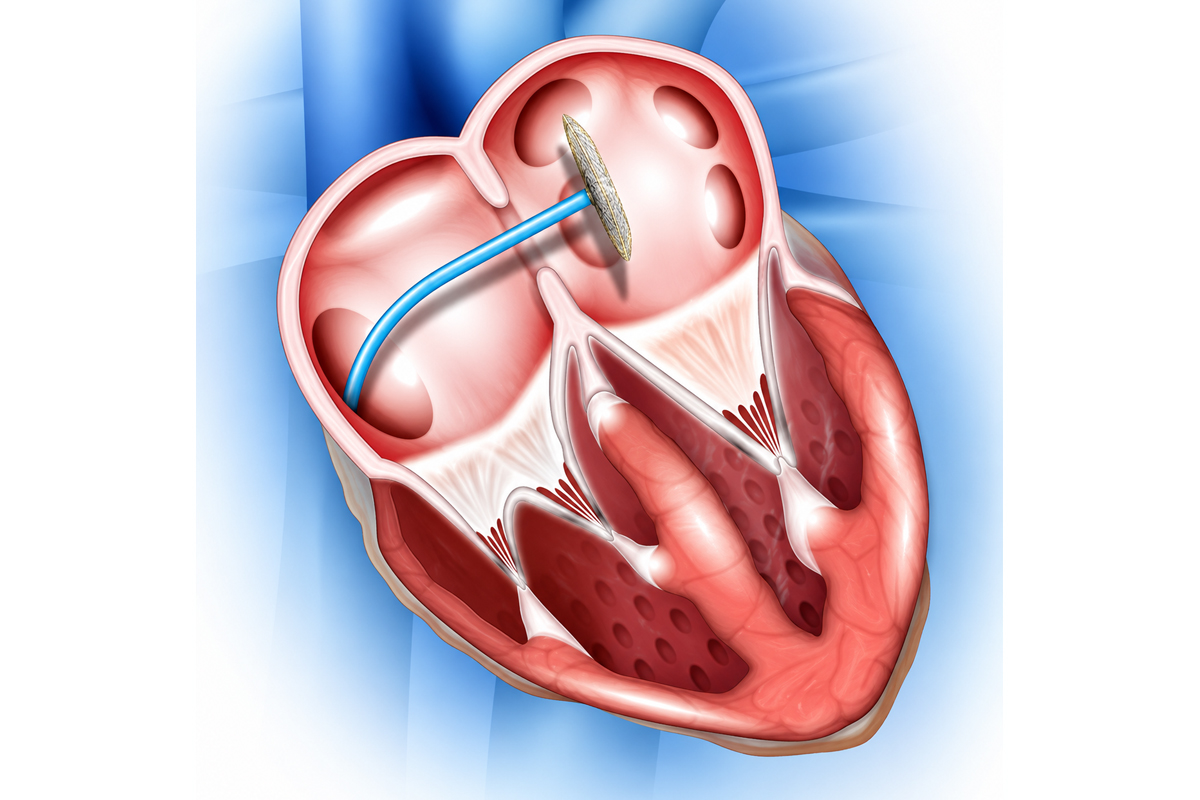
Device Closure
For: Selected structural heart defects such as ASD, PFO, VSD, and PDA.
A catheter-based technique used to close specific abnormal openings within the heart.
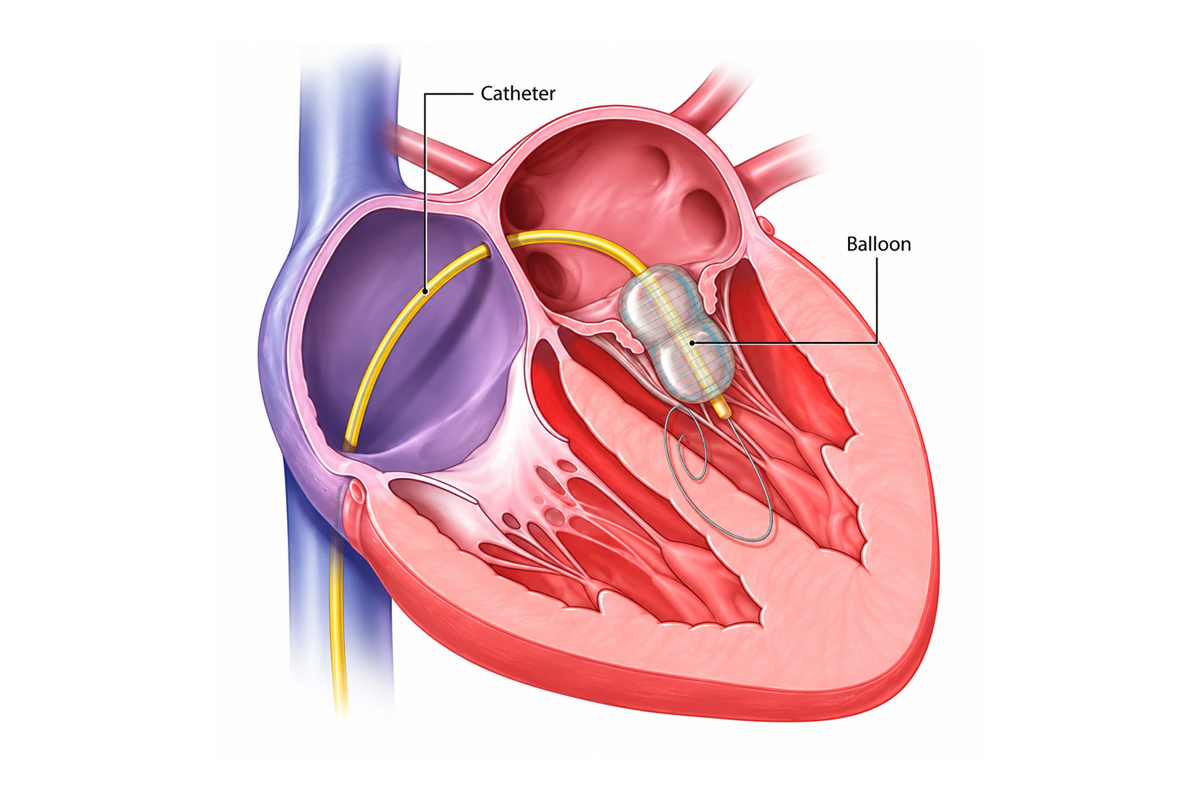
Balloon Valvuloplasty
For: Selected patients with narrowed heart valves.
A catheter-based procedure that uses a balloon to widen the narrowed valve opening.
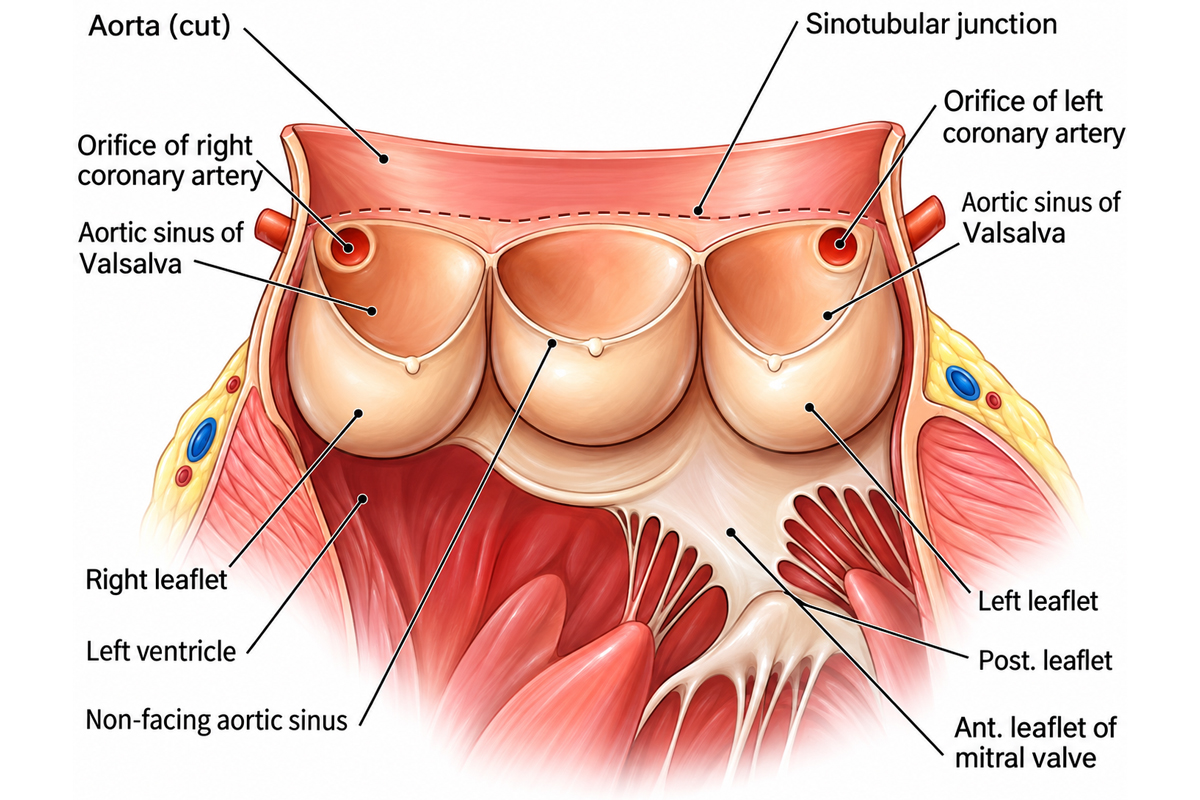
Ruptured Sinus of Valsalva (RSOV) Device Closure
For: Selected patients with ruptured sinus of Valsalva.
A catheter-based technique used to close the abnormal communication caused by an RSOV.
Tricuspid Valve Intervention
For: Selected patients with significant tricuspid regurgitation.
A minimally invasive approach designed to reduce tricuspid valve leakage in suitable patients.